
Quantity Surveyor & Commercial Advisory
Hamilton-based Quantity Surveyor providing professional Quantity Surveying and Commercial Advisory services throughout Waikato, Auckland, Bay of Plenty and across New Zealand. Supporting clients, contractors and subcontractors with estimating, procurement, contract administration, cost management, claims and commercial project delivery.
Approved supplier under the New Zealand Government’s
All-of-Government Construction Consultancy Services Panel.
Need an answer before picking up the phone?
Explore the Illustris Commercial Knowledge Library
Free practical construction commercial guidance for:• Clients• Main Contractors• Subcontractors• Students, graduates and anyone wanting to improve their commercial knowledge.Developed from real project experience and designed to help improve commercial understanding across the construction industry.




Illustris Consulting NZ
Quantity Surveying | Commercial Advisory
Waikato | Bay of Plenty | Auckland | Nationwide New Zealand
Email: [email protected]
Telephone: 022 399 4219
© 2026 Illustris Consulting NZ

Welcome to the Illustris Commercial Knowledge Library
Free practical construction commercial guidanceDeveloped from nearly 30 years of Quantity Surveying experience and extensive hands-on construction experience.Whether you're a client, contractor, subcontractor or someone wanting to improve your commercial knowledge, our growing
resource library has been created to provide practical guidance based on real projects rather than theory alone.Many of the topics covered apply across all areas of the construction industry and are intended to promote better
communication, improved commercial management and more successful project outcomes.
Choose the resource library most relevant to you
Client Resources
Guidance for:
• Asset Owners
• Developers
• Councils
• Government Agencies
• Client-side Project Teams
---
Main Contractor Resources
Commercial guidance for:Main Contractors
• Commercial Managers
• Site Teams
• Estimators
---
Subcontractor Resources
Designed for:• Specialist Trades
• Subcontractors
• Small Contractors
---
Learning Centre
Ideal for:• Students
• Graduate QSs
• Engineers
• Anyone learning construction commercial practice
---
More guides are continually being added
The Illustris Free Resources Library is an expanding knowledge platform.Future additions will include specialist technical guidance covering topics such as:• Construction Contracts• NZS 3910• Procurement• Extension of Time• Practical Completion• Cost Forecasting• Commercial Management• Construction Claims...and many more.
Is there a topic you'd like us to cover?The Illustris Free Resources Library is continually expanding.If there's a construction commercial topic you'd like to see included in a future guide, we'd be delighted to hear your suggestions.
Whilst we can't guarantee every request will be published, we welcome
ideas that may benefit the wider construction industry.
Need professional commercial support?The guides within this library are intended to provide general guidance and improve commercial understanding across
the construction industry. They cannot replace advice based on the specific circumstances of your project.If you're looking for experienced commercial support on a live project, Illustris Consulting NZ provides independent
Quantity Surveying and Commercial Advisory Services to clients, contractors and subcontractors throughout New Zealand.If the experience and practical approach demonstrated throughout this library aligns with what you're looking for, we'd be
pleased to discuss how we can support your project.




Illustris Consulting NZ
Quantity Surveying | Commercial Advisory
Waikato | Bay of Plenty | Auckland | Nationwide New Zealand
Email: [email protected]
Telephone: 022 399 4219
© 2026 Illustris Consulting NZ

Client Resources
Practical commercial guidance for clients, developers, councils and asset owners
Successful projects rely on more than good design and construction—they require effective commercial management throughout every stage of delivery.This library has been developed specifically for organisations responsible for planning, procuring and delivering construction projects.
Whether you're managing public infrastructure, commercial developments or private projects, these guides provide
practical advice to help improve decision making, contract administration and project outcomes.Select a guide below to begin exploring the library.
Client Contract Administration Guide
Understanding the principles of effective contract administration and the role
it plays in successful project delivery.
Commercial Governance Checklist
A practical checklist to help establish strong commercial governance
from project inception through to completion.
Working Effectively with Contractors
Practical guidance for building collaborative relationships
whilst protecting your commercial interests.
Managing Variations Fairly
Practical guidance for assessing, managing and valuing variations whilst
maintaining fairness,transparency and positive project relationships.
Payment Certification Best Practice
Best practice guidance for certifying payment claims accurately, consistently
and in accordance with contractual requirements.
Managing Project Risk
Understand how proactive commercial risk management helps reduce uncertainty,
protect project objectives and improve delivery outcomes.
Effective Decision Making During Construction
Practical guidance for making timely, informed commercial decisions that support
successful project delivery and minimise avoidable disputes.
Construction Record Keeping
Learn why accurate records are essential for contract administration, payment
assessments, variations and effective project management.
Achieving Successful Project Outcomes
A practical overview of the commercial principles, communication and collaboration
that contribute to successful construction projects.
Why Following the Contract Benefits Everyone
Discover how consistent compliance with contractual obligations helps reduce disputes, improve
relationships and deliver better outcomes for all project participants.




Illustris Consulting NZ
Quantity Surveying | Commercial Advisory
Waikato | Bay of Plenty | Auckland | Nationwide New Zealand
Email: [email protected]
Telephone: 022 399 4219
© 2026 Illustris Consulting NZ

Contact Illustris Consulting NZ
Available for short-term, long-term, project-based, or ongoing commercial support




Illustris Consulting NZ
Quantity Surveying | Commercial Advisory
Waikato | Bay of Plenty | Auckland | Nationwide New Zealand
Email: [email protected]
Telephone: 022 399 4219
© 2026 Illustris Consulting NZ

Proven Experience Across Water, Wastewater & Civil Infrastructure Projects
Over 29 years of quantity surveying, estimating, commercial management, and procurement experience across water,
wastewater, Three Waters, transport, land development, and civil infrastructure projects throughout New Zealand and the United Kingdom.
Water & Infrastructure Experience
Auckland Central Interceptor - Commercial estimating and pricing of major wastewater tunnel infrastructure and associated assets
Queenstown Lakes District Council – 3 waters infrastructure pricing
Multiple large-scale water and wastewater projects across the UK
Queenstown town centre services renewals (water, gas, electrical)
Auckland Light Rail (Early stage pricing and feasability)
Featured Project Experience
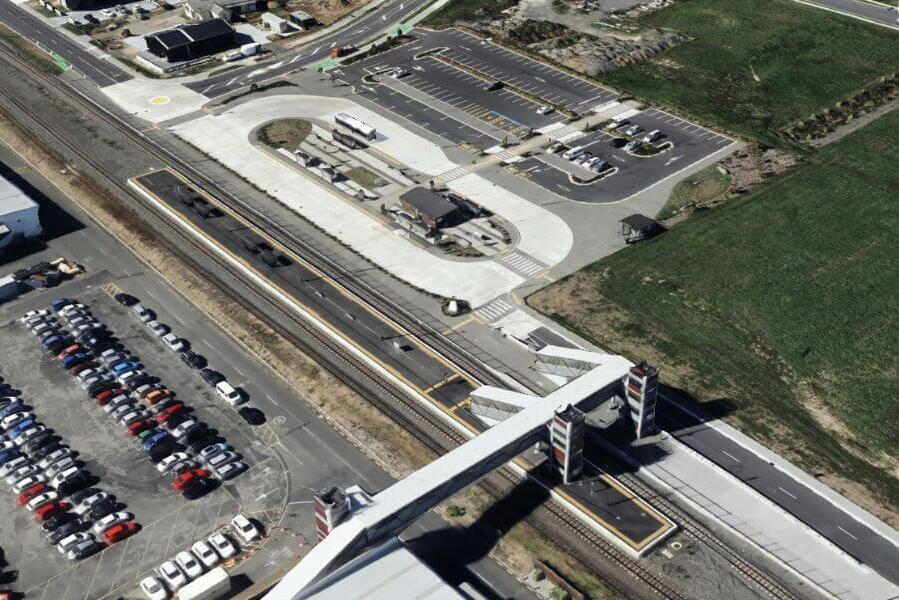
Rotokauri Transport Hub
Lead quantity surveying and commercial management for
a $25m multi-modal transport hub delivered within a live rail corridor
including rail infrastructure upgrades, pedestrian bridge construction,
station platform works, bus interchange, park-and ride facilities, and
surrounding transport network improvements. (NZS3910)
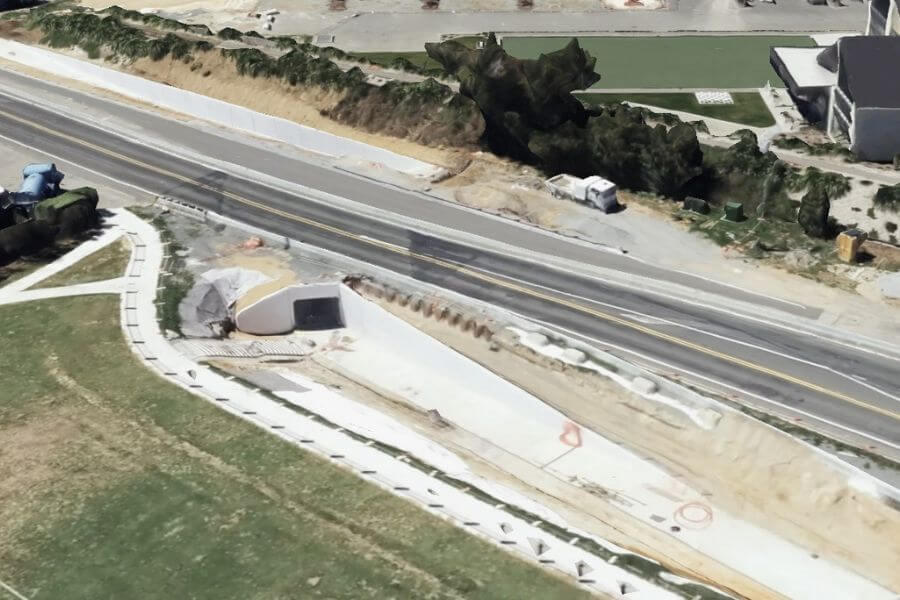
State Highway 1 Underpass
Lead site-based quantity surveying and commercial management for a
$3m pedestrian underpass delivered within a live State Highway 1 corridor
including subcontractor procurement, cost control, claims, variations
and commercial delivery support. (NZS3910)
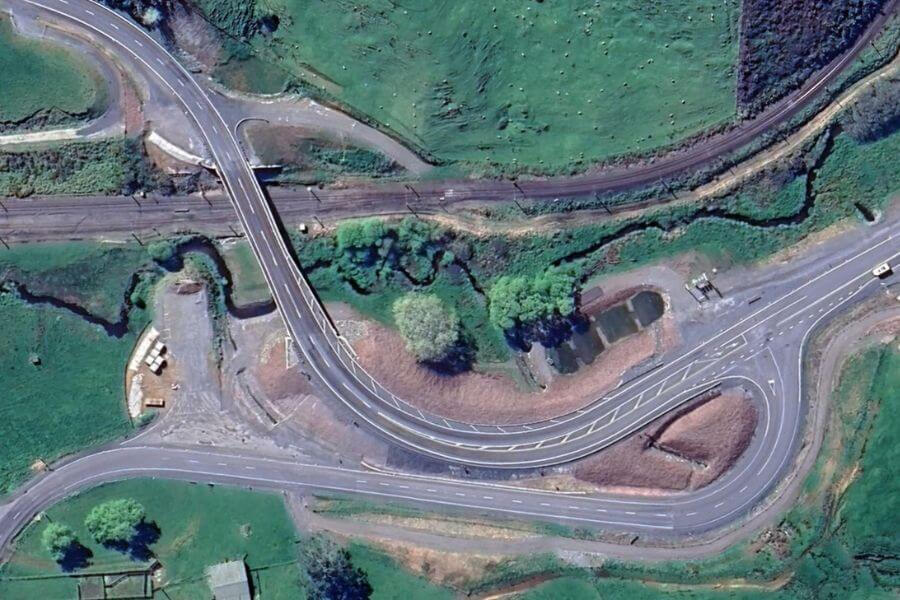
Kopaki Bridge Replacement
Lead site-based commercial and quantity surveying management for a $12m
bridge replacement project, delivering a new overbridge structure across
active rail and stream corridors, including procurement, cost control,
claims, variations and live delivery commercial support. (NZS3910)
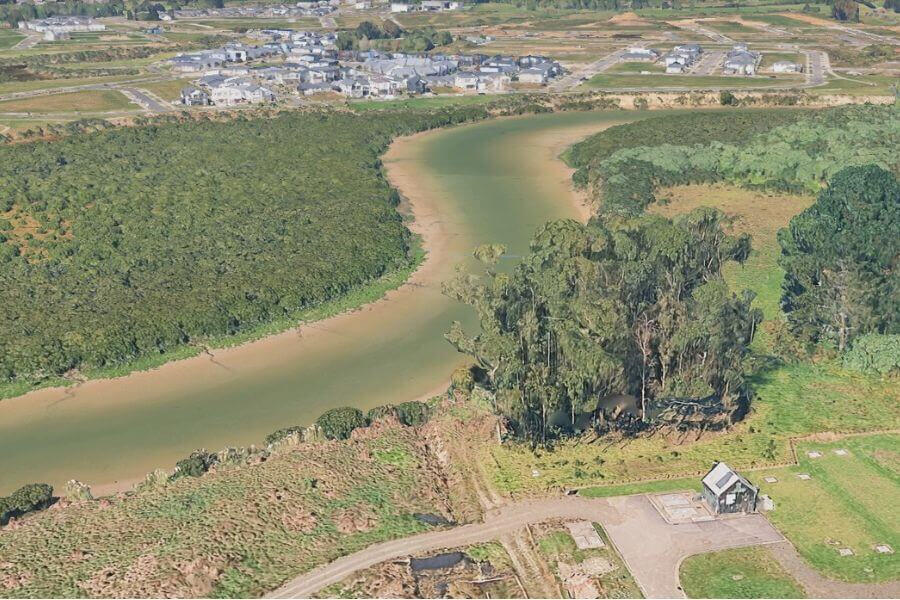
Drury - Subdivision
Client-side quantity surveying, cost management, and contract administration
for subdivision infrastructure delivery, supporting water and wastewater
network installation, commercial controls, procurement coordination and
project governance prior to vertical development. (NZS3910)
HOW WE SUPPORT PROJECTS ACROSS DELIVERY & GOVERNANCE
Tender pricing and commercial strategy
Variations, claims, and entitlement support
Contract administration (NZS 3910 and similar)
Cost control and reporting systems
Subcontractor management and procurement
Dispute avoidance and commercial risk management




Illustris Consulting NZ
Quantity Surveying | Commercial Advisory
Waikato | Bay of Plenty | Auckland | Nationwide New Zealand
Email: [email protected]
Telephone: 022 399 4219
© 2026 Illustris Consulting NZ

Commercial Support for Contractors Focused on Delivery, Cost, and Margin
Approved supplier under the New Zealand Government All-of-Government Construction Consultancy Services Panel
Tendering & Bid Support
BOQ reviews & risk identification
Estimating & pricing support
Bid pricing strategy
Tender submissions
Delivery Commercial Controls
Cost tracking
Claims preparation
Variations
Procurement set up & controls
Subcontractor management
Claims & Margin Protection
Payment claims
Variations strategy
Contract interpretation (NZS 3910 & related forms)
Commercial issue resolution




Illustris Consulting NZ
Quantity Surveying | Commercial Advisory
Waikato | Bay of Plenty | Auckland | Nationwide New Zealand
Email: [email protected]
Telephone: 022 399 4219
© 2026 Illustris Consulting NZ

Independent Quantity Surveying & Commercial Oversight for Clients, Councils & Asset Owners
Approved supplier under the New Zealand Government All-of-Government Construction Consultancy Services Panel
Feasibility & Cost Planning
Early cost planning
Business case & funding support
Feasibility estimates
Procurement & Tender Assurance
Tender review
Procurement strategy
Commercial & procurement due diligence
Delivery Oversight
Claims review
Variation scrutiny
Commercial reporting & cost governance
Illustris Consulting NZ
Quantity Surveying | Commercial Advisory
Waikato | Bay of Plenty | Auckland | Nationwide New Zealand
Email: [email protected]
Telephone: 022 399 4219
© 2026 Illustris Consulting NZ

Contractor Quantity Surveying & Commercial Delivery Services
Practical commercial systems for contractors, subcontractors, and delivery teams, from tender strategy through project delivery,
claims, and margin protection.
Tender Support & Pre-Contract Commercial Strategy
Illustris Consulting supports contractors during tender and pre-contract stages by strengthening estimate quality, pricing structure,
and commercial clarity before commitments are made. Services are designed to improve bid confidence, identify commercial risk
early, and support more informed project acquisition.
• BOQ review and pricing support
• Estimate build-up and cost planning
• Tender strategy and commercial review
• Submission support and pricing logic
• Risk identification before contract award
Delivery Commercial Controls
During live delivery, Illustris Consulting helps contractors implement practical commercial systems that improve cost visibility,
subcontractor control, and contractual positioning. This includes real-world support across reporting, claims, procurement,
and margin management.
• Cost tracking and forecasting
• Monthly payment claims
• Variations management
• Procurement systems
• Subcontractor administration
• Commercial reporting frameworks
Claims, Variations & Margin Protection
Illustris Consulting provides structured support to protect commercial outcomes during delivery by improving claims quality,
contract interpretation, and variation strategy. Services focus on protecting margin, reducing leakage, and strengthening
contractor commercial position.
• Payment claim preparation
• Variations strategy
• Contract interpretation
• Claims support
• Commercial troubleshooting
• Margin protection systems
Flexible Delivery Model
Services can be delivered remotely, on-site, or through hybrid support models depending on contractor requirements,
project complexity, and geographic location. Illustris Consulting supports both short-term commercial
troubleshooting and longer-term delivery system implementation.
Need stronger commercial systems, better claims
positioning, or practical contractor-side QS support?




Illustris Consulting NZ
Quantity Surveying | Commercial Advisory
Waikato | Bay of Plenty | Auckland | Nationwide New Zealand
Email: [email protected]
Telephone: 022 399 4219
© 2026 Illustris Consulting NZ

Client-Side Quantity Surveying, Procurement & Commercial Governance
Independent construction consultancy for developers, councils, asset owners, and project stakeholders seeking stronger cost certainty,
procurement confidence, and delivery oversight.
Feasibility, Budgeting & Early Cost Planning
Illustris Consulting supports clients during early-stage planning by improving project cost clarity, feasibility understanding, and commercial
decision-making before procurement begins. Services are designed to strengthen budget confidence and support more informed project investment.
• Feasibility estimates
• Early budgeting
• Business case support
• Cost planning
• Pre-procurement commercial advice
• Project financial strategy
Procurement & Tender Assurance
Illustris Consulting provides independent procurement and tender advisory support to improve commercial transparency, procurement quality
and project confidence. Services focus on helping clients structure stronger procurement processes and make more informed commercial decisions.
• Tender review
• Procurement strategy
• Commercial due diligence
• Tender analysis
• Contract packaging advice
• Procurement governance
Delivery Oversight & Commercial Governance
During delivery, Illustris Consulting supports clients through independent commercial oversight designed to improve financial governance,
cost control, and contract confidence. Services help strengthen project visibility and support more accountable commercial outcomes.
• Claims review
• Variation scrutiny
• Cost governance
• Commercial reporting
• Delivery oversight
• Contractual review support
Independent Advisory Model
Illustris Consulting provides flexible independent advisory support across project lifecycles, from feasibility and procurement through delivery
and close-out.Services can be delivered remotely, on-site, or through hybrid engagement models depending on project scope,
stakeholder structure, and governance requirements.
Need stronger cost certainty, procurement confidence
or independent commercial oversight?




Illustris Consulting NZ
Quantity Surveying | Commercial Advisory
Waikato | Bay of Plenty | Auckland | Nationwide New Zealand
Email: [email protected]
Telephone: 022 399 4219
© 2026 Illustris Consulting NZ

Claims, Variations & Commercial Positioning
Practical contractor-side support for payment claims, variations strategy, contract positioning,
and commercial systems designed to protect margin and strengthen project outcomes.
Variations Strategy & Entitlement Positioning
Illustris Consulting supports contractors in identifying, structuring, pricing, and positioning variations
more effectively to improve entitlement clarity and reduce commercial leakage during live delivery.
• Variation identification
• Scope change assessment
• Pricing support
• Entitlement positioning
• Commercial strategy
Payment Claims & Commercial Recovery
Strong claims systems improve payment quality, project cashflow confidence, and contractor commercial resilience.
Illustris Consulting supports structured payment claim preparation, contract alignment, and supporting documentation.
• Payment claim preparation
• Supporting documentation
• Contractual alignment
• Commercial recovery systems
• Cashflow support
Contract Interpretation & Commercial Risk
Commercial outcomes are often shaped by contract administration quality and strategic interpretation.
Illustris Consulting provides practical support across contractual review, NZS 3910 familiarity, commercial positioning, and dispute risk reduction.
• Contract interpretation
• NZS 3910 familiarity
• Commercial positioning
• Risk mitigation
• Dispute avoidance
Practical Claims Systems
Rather than reactive claim preparation alone, Illustris Consulting focuses on improving systems
that strengthen contractor commercial discipline throughout project lifecycles.
• Record quality
• Variation workflows
• Claim systems
• Reporting discipline
• Margin protection
Need stronger claims systems, better variation positioning
or contractor-side commercial support?




Illustris Consulting NZ
Quantity Surveying | Commercial Advisory
Waikato | Bay of Plenty | Auckland | Nationwide New Zealand
Email: [email protected]
Telephone: 022 399 4219
© 2026 Illustris Consulting NZ

Procurement, Governance & Commercial Assurance
Independent procurement advisory, tender assurance, and commercial governance support
designed to improve project confidence, procurement quality, and delivery oversight.
Procurement Strategy & Tender Structuring
Illustris Consulting supports clients through stronger procurement planning, tender strategy
and commercial structuring to improve market engagement, reduce procurement risk, and strengthen project foundations before delivery begins.
• Procurement strategy
• Tender structuring
• Contract packaging
• Commercial planning
• Market engagement support
Tender Review & Commercial Due Diligence
Independent tender review and commercial assessment improve procurement clarity by
supporting more informed contractor selection, pricing confidence, and commercial transparency.
• Tender review
• Commercial due diligence
• Pricing analysis
• Bid comparison
• Procurement confidence
Governance, Oversight & Cost Control
Illustris Consulting supports project governance through structured commercial oversight, cost governance,
reporting systems, and independent review processes that improve visibility across project lifecycles.
• Cost governance
• Commercial reporting
• Independent oversight
• Delivery review
• Variation scrutiny
Delivery Through Governance
Strong project outcomes are often determined before construction begins. Illustris Consulting focuses on
aligning procurement quality, governance systems, and delivery controls to improve confidence from feasibility through completion.
Need stronger claims systems, better variation management
or improved contractor and subcontractor commercial control?




Illustris Consulting NZ
Quantity Surveying | Commercial Advisory
Waikato | Bay of Plenty | Auckland | Nationwide New Zealand
Email: [email protected]
Telephone: 022 399 4219
© 2026 Illustris Consulting NZ

Commercial Support for Subcontractors & Trade Contractors
Practical quantity surveying and commercial support to help subcontractors improve pricing confidence, manage variations,
navigate contract requirements, and strengthen commercial outcomes.
Subcontractors often operate within complex contractual environments while managing tight margins, programme pressures
and payment risks. Illustris Consulting provides practical commercial support to help strengthen contractual compliance,
improve recovery of legitimate entitlements, and increase confidence throughout project delivery.
Tender Reviews & Pricing
Subcontractors are often asked to price works against incomplete information, compressed tender periods, and contractual requirements
that may not be fully understood. Illustris Consulting provides independent tender review and pricing support to help identify
commercial risks, clarify scope requirements, strengthen exclusions and assumptions, and improve pricing confidence before submission.
Our aim is to help subcontractors submit competitive tenders without exposing themselves to unnecessary commercial risk.
Variations & Claims
Many subcontractors carry out additional work without securing the documentation needed to recover their entitlement.
We assist with variation identification, notice requirements, record keeping, claim preparation, and entitlement assessment
to help ensure legitimate additional costs and time impacts are properly recognised. Practical support is provided to
strengthen commercial positions and improve recovery outcomes throughout project delivery.
Payment Claims & Retentions
Maintaining cash flow is critical for every subcontractor. We provide support with payment claims, progress claim reviews,
retention tracking, payment schedules, and contract compliance requirements. Whether dealing with delayed payments,
disputed claims, or retention management, Illustris Consulting helps subcontractors understand their
contractual position and improve commercial visibility throughout the life of a project.
Working Within Main Contractor Contracts
Subcontractors are often required to operate within complex contractual environments without fully understanding
the obligations and risks passed down from upstream contracts. We help subcontractors navigate NZS 3910 and
similar contract arrangements, understand notice obligations, manage commercial risks, respond to instructions, and maintain
stronger contractual compliance. The result is greater confidence when working within large infrastructure and construction projects.




Illustris Consulting NZ
Quantity Surveying | Commercial Advisory
Waikato | Bay of Plenty | Auckland | Nationwide New Zealand
Email: [email protected]
Telephone: 022 399 4219
© 2026 Illustris Consulting NZ

MAIN CONTRACTOR RESOURCES
Practical commercial guidance for main contractors, commercial managers, estimators and delivery teams
Successful projects require more than quality construction - they rely on effective commercial management from tender through to final account.This library has been developed specifically for main contractors responsible for pricing work, administering contracts, managing commercial risk
and delivering successful construction projects. Whether you're preparing tenders, managing live projects or resolving
commercial issues during construction, these guides provide practical guidance based on real project experience
to help improve commercial performance, reduce disputes and achieve better project outcomes.Select a guide below to begin exploring the library.
Variation Pricing Guide
Learn practical approaches to pricing variations accurately, protecting commercial
interests and improving the likelihood of successful agreement.
Tender Review Checklist
A practical checklist to help identify commercial risks, clarify
scope and strengthen tenders before submission.
Pre-Start Commercial Checklist
Ensure contracts, responsibilities and commercial controls are in place
before work begins on site.
Payment Claim Checklist
Practical guidance to help prepare accurate payment claims that maximise entitlement
and reduce unnecessary delays.
Contract Administration Guide
Understand the principles of effective contract administration and how good commercial
management supports successful project delivery.
Extension of Time Guide
Learn how to recognise delay events, prepare effective Extension of Time
submissions and protect contractual entitlements.
Commercial Risk Checklist
A practical guide to identifying, assessing and managing commercial risks throughout
the life of a construction project.
Managing Instructions & Scope Changes
Practical guidance for managing changing client requirements whilst protecting
programme, cost and contractual position.
Final Account Preparation Guide
Understand how good record keeping and early preparation help achieve efficient
and successful final account agreements.
Cost Forecasting & Commercial Reporting
Learn how accurate forecasting and clear commercial reporting support better
decision making and improved project performance.




Illustris Consulting NZ
Quantity Surveying | Commercial Advisory
Waikato | Bay of Plenty | Auckland | Nationwide New Zealand
Email: [email protected]
Telephone: 022 399 4219
© 2026 Illustris Consulting NZ

SUBCONTRACTOR RESOURCES
The following guides have been developed to help subcontractors improve commercial management,
record keeping and project delivery through practical, experience-based guidance.
Variation Claim Guide
Practical guidance for identifying, pricing and presenting variation claims to improve
recovery and reduce unnecessary disputes.
Getting Paid Guide
Learn how good commercial practices, accurate documentation and timely communication
can help improve payment outcomes.
Site Records Checklist
A practical guide to maintaining site records that support payment claims, variations,
delays and successful project delivery.
Pricing Before You Quote Guide
Understand the importance of reviewing scope, identifying risks and pricing work
accurately before submitting quotations.
Protecting Yourself Against Verbal Instructions
Learn how to manage verbal instructions professionally whilst protecting your
contractual position and commercial entitlement.
Understanding Your Subcontract
Practical guidance to help understand key subcontract provisions, responsibilities and
commercial obligations before work begins.
Labour & Plant Records
Learn why accurate labour and plant records are essential for substantiating
claims, variations and project costs.
Measuring Completed Work
Understand effective methods for measuring completed work to support payment
claims and maintain accurate project records.
Managing Delays
Practical guidance for recognising delays, maintaining appropriate records and protecting
contractual entitlements where delays occur.
Preparing Your Final Account
Learn how organised documentation and early preparation help achieve efficient final account
agreement and successful project close-out.




Illustris Consulting NZ
Quantity Surveying | Commercial Advisory
Waikato | Bay of Plenty | Auckland | Nationwide New Zealand
Email: [email protected]
Telephone: 022 399 4219
© 2026 Illustris Consulting NZ

LEARNING CENTRE
The following guides have been developed to help those wishing to improve their
understanding of construction commercial management through practical, experience-based guidance.
The Anatomy of a Construction Project
Understand how construction projects develop from concept through to completion, and
the role each party plays throughout the process.
What Does a Quantity Surveyor Do?
Learn how Quantity Surveyors help manage project costs, contracts, risk and
commercial outcomes from start to finish.
Understanding Construction Contracts
An introduction to construction contracts, explaining their purpose and how they help manage
responsibilities, risk and project delivery.
Understanding Variations
Learn what variations are, why they occur, and how they should be identified,
valued and managed correctly.
Understanding Payment Claims
A practical guide to how payment claims work, why they matter and how
they support healthy project cashflow.
Construction Commercial Terminology
Understand the key commercial terms and phrases commonly used throughout
construction projects and contracts.
Why Site Records Matter
Learn why accurate records are one of the most valuable tools for managing projects, protecting
entitlements and resolving disputes.
From Estimate to Final Account
Follow the commercial journey of a project from the initial estimate through
to the agreement of the final account.
Understanding Construction Risk
An introduction to identifying, allocating and managing commercial risks to
improve project certainty and outcomes.
Becoming a Better Commercial Professional
Practical advice on developing the knowledge, habits and mindset that lead to long-term
success in construction commercial management.




Illustris Consulting NZ
Quantity Surveying | Commercial Advisory
Waikato | Bay of Plenty | Auckland | Nationwide New Zealand
Email: [email protected]
Telephone: 022 399 4219
© 2026 Illustris Consulting NZ

Client Contract Administration Guide
Practical guidance for achieving successful project outcomes through good commercial management
Construction projects rarely succeed by accident.They succeed because the client, designer, Engineer, contractor and subcontractors all understand
their responsibilities and work together to deliver the project in accordance with the contract.Good contract administration is not about creating paperwork or protecting one party
from another. It is about providing a clear framework for making decisions,
managing change and keeping the project moving forward.When administered properly, the contract becomes one of the project's greatest assets.
Why Good Contract Administration Matters
Construction projects are constantly changing.Ground conditions differ from expectations.Client requirements evolve.Designs are refined.Unexpected events occur.The contract provides agreed procedures for dealing with these situations fairly and consistently.
Following those procedures helps ensure that:responsibilities remain clear;
changes are properly instructed and valued;
payments are made fairly and on time;
delays are managed appropriately;
disputes are minimised; and
everyone understands where they stand commercially.Good contract administration provides certainty.Certainty allows projects to move forward.
The Client's Role
The client is not expected to manage every commercial detail of a construction project.However, the client plays a critical role in creating an environment where good commercial management can flourish.This includes:making timely decisions;
providing clear instructions;
following the agreed contractual procedures;
ensuring appropriate delegations are in place;
maintaining accurate project records; and
supporting collaborative problem solving.When decisions are delayed or contractual procedures are overlooked, uncertainty develops quickly.Uncertainty almost always leads to increased commercial risk.
Managing Change
Very few construction projects finish exactly as originally designed.Changes are a normal part of construction.The important issue is not whether changes occur, but how they are managed.Changes should be:identified early;
instructed through the appropriate contractual process;
assessed promptly;
valued fairly; and
recorded accurately.Allowing variations to accumulate until the end of a project often creates unnecessary disagreement because records become
more difficult to verify and people's recollection of events naturally fades over time.Resolving commercial matters while they are still current is almost always simpler than attempting to reconstruct events months later.
Communication and Record Keeping
Many commercial problems are not caused by the contract itself.They result from poor communication and inadequate records.Simple practices such as recording meetings accurately, confirming important discussions in writing
and maintaining clear variation records can prevent relatively small issues developing into significant commercial disputes.On larger or more complex projects, establishing clear commercial controls early in the project can make contract
administration significantly easier. Illustris Consulting regularly assists clients by reviewing commercial processes,
establishing practical project controls and helping project teams manage contractual issues before they become costly disputes.
Common Mistakes
Some of the most common contract administration problems include:issuing verbal instructions without formal confirmation;
delaying commercial decisions;
failing to assess variations promptly;
relying on memory instead of written records;
treating the contract as a problem rather than a management tool; and
leaving unresolved commercial issues until project completion.Most of these problems are entirely avoidable.
Good Contract Administration in Practice
Successful projects generally share several characteristics.They encourage early communication.They make decisions promptly.They keep accurate records.They deal with issues while they are still manageable.Most importantly, every participant understands that the contract exists to support successful project delivery—not to create conflict.When everyone follows the agreed procedures, projects become easier to manage and better outcomes are achieved for all parties.
Summary
Good contract administration is not simply about complying with contractual requirements.It is about creating certainty.Certainty allows informed decisions to be made, commercial risks to be managed and projects to proceed with confidence.The contract should be viewed as a practical management tool that protects everyone involved and
provides a fair framework for delivering successful construction projects.When used properly, good contract administration benefits clients, consultants, contractors and subcontractors alike.
Disclaimer
This guide provides general information only and is intended as practical industry guidance. It does not constitute legal,
contractual or project-specific advice.
Professional advice should always be sought where circumstances require.
Prepared by
Illustris Consulting NZ
Independent Quantity Surveying & Commercial Advisory Services
Waikato | Bay of Plenty | Auckland | Nationwide
www.illustrisconsulting.co.nz




Illustris Consulting NZ
Quantity Surveying | Commercial Advisory
Waikato | Bay of Plenty | Auckland | Nationwide New Zealand
Email: [email protected]
Telephone: 022 399 4219
© 2026 Illustris Consulting NZ

Commercial Governance Checklist
Practical guidance for establishing effective commercial management throughout a construction project
Good commercial governance provides the framework for successful project delivery.
When responsibilities are clearly defined, decisions are made promptly and contractual procedures are
consistently followed, projects generally become easier to manage and commercial risk is significantly
reduced.
The purpose of this checklist is to help clients establish practical commercial controls from the outset of a
project and maintain them throughout construction.
Before Construction Begins
The foundations for good commercial governance are established before work starts on site.
Before construction commences, consider whether:
● Roles and responsibilities have been clearly defined.
● Contract documentation is complete and readily available.
● Delegated authorities for approvals and financial decisions have been agreed.
● Communication protocols have been established.
● Procedures for issuing instructions are understood by all parties.
● The variation approval process has been agreed.
● Payment claim procedures are clearly defined.
● Programme reporting requirements have been established.Addressing these matters early reduces uncertainty once construction begins.
During Construction
Commercial governance should continue throughout the life of the project.
Regularly consider whether:
● Instructions are being issued through the correct contractual procedures.
● Variations are being assessed promptly.
● Payment claims are certified within the required timeframes.
● Project records remain complete and up to date.
● Meetings are accurately recorded.
● Commercial risks are being identified and discussed early.
● Programme updates are being reviewed.
● Outstanding issues are actively managed rather than deferred.
Small issues are generally much easier to resolve while they remain current.
Managing Commercial Risk
Commercial risk increases when uncertainty develops.
This commonly occurs where:
● Decisions are delayed.
● Project records become incomplete.
● Contractual procedures are overlooked.
● Variations remain unresolved.
● Communication breaks down.
Regular commercial reviews help identify these issues before they develop into significant contractual or
financial problems.
Where projects involve significant complexity or high-value commercial risk, Illustris Consulting can assist
clients by reviewing commercial governance arrangements, identifying areas of potential risk and
helping establish practical project controls that support successful delivery.
Common Governance Pitfalls
Many governance problems are avoidable.
Some of the most common include:
● Unclear decision-making responsibilities.
● Verbal instructions that are never formally confirmed.
● Delayed approval of variations.
● Poor record keeping.
● Infrequent commercial reporting.
● Allowing unresolved issues to accumulate until project completion.
Strong governance focuses on preventing these issues rather than correcting them later.
A Practical Approach
Effective commercial governance does not require unnecessary bureaucracy.
Simple, consistent processes are often the most effective.
Projects generally perform better when everyone understands:
● who makes decisions;
● how changes are managed;
● what records are required;
● when contractual procedures apply; and
● how issues will be resolved.
The objective is not to create additional administration but to provide sufficient structure to support informed
decision-making throughout the project.
Summary
Good commercial governance provides confidence that projects are being managed fairly, consistently and in
accordance with the contract.
Establishing clear responsibilities, maintaining accurate records and dealing with issues promptly helps reduce commercial risk and
improves the likelihood of successful project outcomes.
Like good contract administration, effective governance benefits every participant in the project.
Disclaimer
This guide provides general information only and is intended as practical industry guidance. It does not constitute legal,
contractual or project-specific advice.
Professional advice should always be sought where circumstances require.
Prepared by
Illustris Consulting NZ
Independent Quantity Surveying & Commercial Advisory Services
Waikato | Bay of Plenty | Auckland | Nationwide
www.illustrisconsulting.co.nz




Illustris Consulting NZ
Quantity Surveying | Commercial Advisory
Waikato | Bay of Plenty | Auckland | Nationwide New Zealand
Email: [email protected]
Telephone: 022 399 4219
© 2026 Illustris Consulting NZ

Working Effectively with Contractors
Practical guidance for building collaborative relationships that deliver better project outcomes
Successful construction projects are built on more than contracts and specifications.
They rely on effective working relationships between clients, consultants, contractors and subcontractors.
Whilst every party has different contractual responsibilities, they all share a common objective — delivering a
successful project safely, efficiently and to the required standard.
A collaborative approach does not mean compromising contractual obligations. It means working together
within the framework of the contract to achieve the best possible outcome.
Establish Clear Expectations
The most successful projects begin with clear expectations.
Before construction starts, ensure that:
● Roles and responsibilities are clearly understood.
● Communication channels are established.
● Decision-making responsibilities are defined.
● Procedures for instructions, variations and payment claims are agreed.
● Key project risks have been discussed openly.
Establishing these expectations early reduces uncertainty and helps prevent misunderstandings as the project
progresses.
Communicate Early and Often
Many commercial disputes begin with small issues that are left unresolved.
Open communication encourages problems to be identified while they are still manageable.
Where concerns arise, discuss them promptly rather than allowing them to develop into larger contractual or
commercial issues.
Regular meetings, timely responses and accurate records help maintain trust between all parties throughout the project.
Respect the Contract
Good relationships are not created by ignoring the contract.
They are strengthened by following it consistently.
The contract provides agreed procedures for managing:
● instructions;
● variations;
● extensions of time;
● payment claims;
● unforeseen circumstances; and
● dispute resolution.
Applying these procedures fairly provides certainty for everyone involved and helps reduce unnecessary disagreement.
Encourage Early Problem Solving
Construction projects rarely proceed exactly as planned.
Unexpected ground conditions, design development, weather events and changing client requirements are all common.
Successful project teams focus on solving problems rather than assigning blame.
Where issues are identified early, they can often be resolved quickly with minimal impact on programme, cost or relationships.
On larger or more complex projects, Illustris Consulting can assist by providing independent commercial
advice, facilitating practical commercial discussions and helping project teams resolve issues before they develop into formal disputes.
Build Trust Through Fairness
Contractors perform best when they have confidence that decisions will be made fairly and consistently.
This includes:
● providing timely responses;
● assessing variations promptly;
● certifying payment claims within contractual timeframes;
● making decisions based on the contract and available information; and
● maintaining open and professional communication.
Fairness should apply equally to every party.
Common Mistakes
Working relationships can deteriorate when:
● communication becomes infrequent;
● decisions are unnecessarily delayed;
● contractual procedures are ignored;
● commercial issues remain unresolved;
● parties adopt adversarial positions unnecessarily.
Most of these situations are avoidable through proactive contract administration and early engagement.
Summary
Strong working relationships are one of the most valuable assets on any construction project. Collaboration, supported by good communication
and consistent contract administration, enables project teams to manage change effectively, reduce
commercial risk and deliver better outcomes.
The contract should not be viewed as a barrier to collaboration. When followed properly, it provides
the structure that allows collaborative working to succeed.
Disclaimer
This guide provides general information only and is intended as practical industry guidance. It does not constitute legal,
contractual or project-specific advice.
Professional advice should always be sought where circumstances require.
Prepared by
Illustris Consulting NZ
Independent Quantity Surveying & Commercial Advisory Services
Waikato | Bay of Plenty | Auckland | Nationwide
www.illustrisconsulting.co.nz




Illustris Consulting NZ
Quantity Surveying | Commercial Advisory
Waikato | Bay of Plenty | Auckland | Nationwide New Zealand
Email: [email protected]
Telephone: 022 399 4219
© 2026 Illustris Consulting NZ

Managing Variations Fairly
Practical guidance for managing changes in scopethroughout a construction project
Variations are a normal part of almost every construction project.
Designs develop, site conditions change, unforeseen circumstances arise and client requirements
evolve. The objective is not to avoid variations altogether, but to ensure they are managed fairly,
consistently and in accordance with the contract.
Good variation management provides certainty for all parties, helping projects continue with minimal
disruption whilst maintaining appropriate control over cost, programme and risk.
Recognising a Variation
Not every issue that arises during construction is necessarily a variation.
Before instructing additional work or approving additional cost, consider whether:
● the work falls outside the original contract scope;
● the contractor has been instructed to undertake additional or different work;
● unforeseen circumstances have altered the required work;
● the contract provides a mechanism for managing the change.
Identifying genuine variations early allows the appropriate contractual procedures to be followed from the outset.
Managing Variations Promptly
Once a variation has been identified, it should be managed without unnecessary delay.
Good practice includes:
● issuing clear instructions;
● recording the reason for the change;
● assessing the likely impact on cost and programme;
● obtaining the necessary approvals;
● maintaining an accurate variation register; and
● communicating decisions promptly.
Allowing variations to remain unresolved creates uncertainty and increases the likelihood of
disagreement later in the project.
Maintaining Commercial Control
Every approved variation has the potential to affect the project budget, programme or both.
Clients should ensure that:
● approved variations are recorded;
● project budgets are updated where necessary;
● financial delegations are followed;
● cumulative cost impacts are monitored; and
● programme implications are understood before decisions are made.
Maintaining visibility of project changes helps avoid unexpected cost increases and supports informed decision-making throughout the project.
Where projects involve numerous variations or significant commercial complexity, Illustris Consulting can assist by reviewing
variation procedures, maintaining commercial records and helping clients retain clear visibility of project cost and
contractual obligations throughout construction.
Fair Assessment
Variations should always be assessed objectively and in accordance with the contract.
The objective is neither to minimise legitimate contractor entitlements nor to approve additional costs
without proper consideration.
Fair assessment requires:
● sufficient supporting information;
● timely review;
● consistency;
● transparency; and
● clear communication.
Prompt and fair assessments help maintain positive working relationships and reduce unnecessary commercial tension.
Common Mistakes
Variation management often becomes more difficult when:
● instructions are given verbally without written confirmation;
● approvals are delayed unnecessarily;
● changes are not recorded properly;
● project budgets are not updated;
● variations remain unresolved until project completion; or
● contractual procedures are overlooked.
Most of these problems can be avoided through timely administration and accurate record keeping.
Summary
Variations are an expected part of construction and should not be viewed as exceptional events.
When managed fairly, recorded accurately and assessed promptly, they provide a structured method of accommodating
change whilst maintaining commercial certainty for all parties. Good variation management protects the interests of both
the client and the contractor and contributes to successful project delivery.
Disclaimer
This guide provides general information only and is intended as practical industry guidance. It does not constitute legal,
contractual or project-specific advice.
Professional advice should always be sought where circumstances require.
Prepared by
Illustris Consulting NZ
Independent Quantity Surveying & Commercial Advisory Services
Waikato | Bay of Plenty | Auckland | Nationwide
www.illustrisconsulting.co.nz




Illustris Consulting NZ
Quantity Surveying | Commercial Advisory
Waikato | Bay of Plenty | Auckland | Nationwide New Zealand
Email: [email protected]
Telephone: 022 399 4219
© 2026 Illustris Consulting NZ

Payment Certification Best Practice
Practical guidance for certifying payments fairly, accurately and in accordance with the contract
The payment certification process is one of the most important responsibilities undertaken during a construction project.
Timely and accurate payment decisions support contractor cash flow, maintain confidence between the parties
and help projects progress without unnecessary commercial tension. The objective of payment certification is not
simply to approve or reduce payment claims. It is to assess each claim fairly, consistently and in accordance with the contract.
Understand the Purpose of Payment Certification
Construction contracts normally establish a clear process for submitting, assessing and certifying payment
claims.
The certification process should provide confidence that:
● completed work has been assessed fairly;
● approved variations have been considered;
● contractual adjustments have been applied where appropriate;
● payment reflects the work completed to date; and
● contractual timeframes have been met.
Consistency throughout the project is essential.
Assess Claims Promptly
Delays in certifying payment claims can affect project cash flow and place unnecessary pressure on working
relationships.
Clients should ensure that:
● payment claims are reviewed as soon as reasonably practicable;
● any additional information required is requested promptly;
● certification timeframes are monitored;
● decisions are clearly communicated; and
● reasons for any adjustments are properly recorded.
Prompt decisions reduce uncertainty and help maintain project momentum.
Base Decisions on Evidence
Payment certification should always be supported by objective information.
Depending on the nature of the work, this may include:
● measured quantities;
● site inspections;
● approved variation records;
● progress photographs;
● delivery records;
● programme updates; and
● information provided by the Engineer or contract administrator.
Making decisions based on documented evidence promotes fairness and transparency.
Maintain Accurate Records
Every certified payment forms part of the project's financial history.
Clients should ensure that:
● payment certificates are retained;
● supporting assessments are recorded;
● approved variations are reflected in payment decisions;
● cumulative project expenditure is monitored; and
● financial reporting remains current.
Projects with accurate payment records are generally easier to administer and less likely to encounter disputes during final account negotiations.
Where projects involve significant contract values or complex payment assessments, Illustris Consulting can
assist by reviewing payment processes, validating commercial information and helping clients
maintain accurate financial records throughout the construction phase.
Common Mistakes
Payment certification can become unnecessarily difficult when:
● assessments are delayed;
● incomplete information is relied upon;
● approved variations are overlooked;
● reasons for adjustments are not recorded;
● contractual timeframes are missed; or
● payment decisions are inconsistent throughout the project.
Most of these issues can be avoided through structured administration and timely review.
Summary
Payment certification is an essential part of effective contract administration. When payment claims are assessed promptly,
supported by appropriate records and certified fairly, clients help maintain confidence throughout the project while ensuring
that contractual obligations are met. A transparent and consistent certification process
benefits all parties and contributes to successful project delivery.
Disclaimer
This guide provides general information only and is intended as practical industry guidance. It does not constitute legal,
contractual or project-specific advice.
Professional advice should always be sought where circumstances require.
Prepared by
Illustris Consulting NZ
Independent Quantity Surveying & Commercial Advisory Services
Waikato | Bay of Plenty | Auckland | Nationwide
www.illustrisconsulting.co.nz




Illustris Consulting NZ
Quantity Surveying | Commercial Advisory
Waikato | Bay of Plenty | Auckland | Nationwide New Zealand
Email: [email protected]
Telephone: 022 399 4219
© 2026 Illustris Consulting NZ

Managing Project Risk
Practical guidance for identifying and managing commercial risk throughout a construction project
Every construction project carries risk. Some risks can be predicted during planning, whilst others only become apparent once work has commenced.
Good project management is not about eliminating every risk, but about identifying potential issues early and managing them before they significantly
affect cost, programme or quality. Effective commercial risk management supports better decision-making,
improves project certainty and contributes to successful project outcomes.
Identify Risks Early
The greatest opportunity to reduce commercial risk occurs before construction begins.
Clients should consider:
● the completeness of the design;
● the adequacy of investigations and surveys;
● programme constraints;
● procurement strategy;
● budget allowances;
● statutory approvals;
● stakeholder requirements; and
● contractual responsibilities.
Understanding these factors before work starts allows informed decisions to be made and reduces the likelihood of avoidable problems during construction.
Monitor Risk Throughout the Project
Project risks should be reviewed regularly as construction progresses.
New risks may arise through:
● changing site conditions;
● design development;
● client-requested changes;
● programme delays;
● supply chain issues;
● weather events; or
● unforeseen circumstances.
Regular project reviews help ensure emerging risks are recognised early and managed appropriately before they develop into significant commercial issues.
Allocate Risk Fairly
Construction contracts allocate responsibilities between the parties. Attempting to transfer risks that are not supported by the contract
often creates unnecessary disagreement and may ultimately increase project costs. Good commercial
management recognises that risks should be managed by the party best placed to control them.
Applying contractual risk allocation fairly encourages collaboration and supports more effective project delivery.
Maintain Visibility
Commercial risk should never come as a surprise.
Clients should maintain visibility by:
● reviewing project budgets regularly;
● monitoring approved and pending variations;
● tracking programme performance;
● reviewing contingency allowances;
● recording key commercial decisions; and
● maintaining regular communication with the project team.
Where project risks are identified early, practical solutions can usually be developed before significant cost or programme impacts occur.
On projects involving significant value, complex procurement or increased commercial uncertainty, Illustris Consulting can assist
by reviewing commercial risks, validating project controls and helping clients establish practical risk management processes that support informed decision-making.
Common Risk Management Mistakes
Commercial risk often increases when:
● early warning signs are ignored;
● decisions are unnecessarily delayed;
● contingency budgets are not reviewed;
● communication breaks down;
● contractual procedures are overlooked; or
● risks are assumed rather than properly assessed.
Most significant commercial problems begin as relatively small issues that were not addressed when they first arose.
Summary
Successful projects recognise that risk management is an ongoing process rather than a single exercise completed during project planning.
Identifying risks early, monitoring them throughout construction and responding promptly to changing circumstances helps reduce
uncertainty and improve project outcomes. Good commercial risk management provides confidence that informed
decisions are being made throughout the life of the project.
Disclaimer
This guide provides general information only and is intended as practical industry guidance. It does not constitute legal,
contractual or project-specific advice.
Professional advice should always be sought where circumstances require.
Prepared by
Illustris Consulting NZ
Independent Quantity Surveying & Commercial Advisory Services
Waikato | Bay of Plenty | Auckland | Nationwide
www.illustrisconsulting.co.nz




Illustris Consulting NZ
Quantity Surveying | Commercial Advisory
Waikato | Bay of Plenty | Auckland | Nationwide New Zealand
Email: [email protected]
Telephone: 022 399 4219
© 2026 Illustris Consulting NZ

Effective Decision Making During Construction
Making timely and informed decisions that keep projects moving
Construction projects rely upon decisions being made at the right time. Every decision has the potential to influence cost, programme, quality
or project risk. Delayed or uncertain decisions can quickly affect productivity, create commercial uncertainty and increase
the likelihood of disputes.Effective decision making provides confidence to the project team and
helps maintain momentum throughout construction.
Understand the Importance of Timely Decisions
Construction activities are often dependent upon previous work being completed. When decisions are delayed,
contractors may be unable to proceed as planned, leading to disruption, inefficiency and additional cost.
Clients should ensure that project governance arrangements allow decisions to be made within appropriate
timeframes and by individuals with the necessary authority.Timely decisions help minimise uncertainty and support efficient project delivery.
Make Decisions Using Good Information
Sound decisions are based upon reliable information rather than assumptions.
Before making significant commercial decisions, clients should consider:
● contractual obligations;
● technical advice;
● programme implications;
● financial impacts;
● project risks;
● stakeholder requirements; and
● available supporting evidence.
Where appropriate, seek clarification before decisions are made rather than attempting to resolve uncertainty afterwards.
Record Decisions Clearly
Important project decisions should always be documented.
Maintaining accurate records helps:
● provide clarity to all parties;
● reduce misunderstandings;
● support future decision making;
● maintain commercial transparency; and
● demonstrate compliance with contractual procedures.
Clear records are particularly valuable where projects extend over many months or involve numerous stakeholders.
Consider the Wider Impact
Individual decisions rarely affect only one aspect of a project.
Before approving changes or issuing instructions, consider whether they may influence:
● project cost;
● programme;
● contractor productivity;
● procurement activities;
● statutory approvals;
● operational requirements; or
● future maintenance.
Understanding these wider impacts supports balanced decision making and helps reduce unintended consequences.
Where projects involve complex commercial issues or significant contractual implications, Illustris Consulting can assist by reviewing available information,
assessing commercial impacts and providing independent advice to support informed project decisions.
Common Decision-Making Pitfalls
Decision making is often less effective when:
● information is incomplete;
● responsibilities are unclear;
● approvals are unnecessarily delayed;
● commercial implications are not fully considered;
● decisions are poorly documented; or
● communication between project participants is inadequate.
Many of these issues can be avoided through clear governance arrangements established before construction begins.
Summary
Effective decision making is fundamental to successful project delivery. Clients who make informed, timely and well-documented decisions provide greater
certainty for the project team, reduce commercial risk and help maintain project momentum.
Consistent decision making, supported by good communication and accurate records, contributes significantly to successful construction outcomes.
Disclaimer
This guide provides general information only and is intended as practical industry guidance. It does not constitute legal,
contractual or project-specific advice.
Professional advice should always be sought where circumstances require.
Prepared by
Illustris Consulting NZ
Independent Quantity Surveying & Commercial Advisory Services
Waikato | Bay of Plenty | Auckland | Nationwide
www.illustrisconsulting.co.nz




Illustris Consulting NZ
Quantity Surveying | Commercial Advisory
Waikato | Bay of Plenty | Auckland | Nationwide New Zealand
Email: [email protected]
Telephone: 022 399 4219
© 2026 Illustris Consulting NZ

Construction Record Keeping
Maintaining accurate project records to support effective commercial management
Good record keeping is one of the simplest and most effective ways to improve the commercial management of a construction project. Construction projects generate
thousands of decisions, communications and instructions over their duration. Maintaining accurate records provides a reliable history of the project
and helps ensure that commercial decisions can be supported by objective evidence rather than recollection. Well-maintained records improve transparency,
support collaboration and reduce the likelihood of unnecessary disputes.
Why Good Records Matter
Construction projects rarely proceed exactly as originally planned.
Changes occur. Decisions are made. Instructions are issued. Programmes are updated. Payment claims are assessed.
Accurate records provide confidence that these events can be verified if questions arise later. Without reliable documentation, even relatively
straightforward commercial matters can become unnecessarily difficult to resolve.
What Should Be Recorded?
Clients should ensure appropriate records are maintained throughout the project, including:
● meeting minutes
● project correspondence
● formal instructions
● variation approvals
● payment certificates
● programme updates
● commercial decisions
● progress reports
● key project milestones.
Records should be organised logically and stored where they can be readily accessed when required.
Record Decisions Promptly
Project information is most reliable when it is recorded as events occur. Waiting until weeks or months later to reconstruct decisions often results in incomplete
information and differing recollections between project participants. Where important discussions take place verbally, they should be confirmed
in writing as soon as reasonably practicable. Prompt documentation provides clarity and reduces uncertainty for everyone involved.
Keep Records Consistent
Good record keeping is not simply about collecting documents. It is about maintaining information in a consistent and organised manner.
Clients should establish clear procedures for:
● document storage;
● version control;
● approval records;
● meeting documentation;
● project registers; and
● correspondence management.
Consistent records support efficient project administration and make information significantly easier to locate when required.
Where projects involve large volumes of documentation or complex commercial matters, Illustris Consulting can assist by
reviewing project records, establishing practical document management systems and helping clients maintain the commercial
information needed to support effective decision-making throughout the project.
Common Record Keeping Mistakes
Project records often become less reliable when:
● documents are stored in multiple locations;
● verbal discussions are not confirmed in writing;
● meeting minutes are not issued promptly;
● variation records are incomplete;
● outdated documents continue to be used; or
● responsibilities for maintaining records are unclear.
Small deficiencies in record keeping can become significant commercial problems if important information cannot be located later.
Summary
Accurate project records provide the foundation for effective contract administration and commercial management.
Maintaining organised, consistent and up-to-date information improves transparency, supports informed
decision-making and reduces the likelihood of commercial disputes.
Good records protect every participant in the project and contribute to successful project delivery.
Disclaimer
This guide provides general information only and is intended as practical industry guidance. It does not constitute legal,
contractual or project-specific advice.
Professional advice should always be sought where circumstances require.
Prepared by
Illustris Consulting NZ
Independent Quantity Surveying & Commercial Advisory Services
Waikato | Bay of Plenty | Auckland | Nationwide
www.illustrisconsulting.co.nz




Illustris Consulting NZ
Quantity Surveying | Commercial Advisory
Waikato | Bay of Plenty | Auckland | Nationwide New Zealand
Email: [email protected]
Telephone: 022 399 4219
© 2026 Illustris Consulting NZ

Achieving Successful Project Outcomes
Practical guidance for delivering construction projects efficiently,
collaboratively and with confidence
Every construction project is unique, but the characteristics of successful projects are remarkably consistent. Projects that finish on time,
within budget and to the required quality standard rarely do so by chance. They are usually the result of good planning, effective
communication, timely decision-making and consistent contract administration throughout the life of the project.
Successful project delivery is a collective responsibility shared by every participant.
Establish Clear Objectives
Successful projects begin with a clear understanding of what is to be achieved.
Clients should ensure that:
● project objectives are clearly defined;
● scope requirements are well understood;
● budgets are realistic;
● programme expectations are achievable; and
● responsibilities are clearly allocated.
Well-defined objectives provide a common direction for the entire project team.
Encourage Collaboration
Construction projects involve many organisations working towards a common objective.
Clients can encourage collaboration by:
● maintaining open communication
● responding to queries promptly
● making timely decisions
● encouraging practical problem solving;
● respecting the experience of project participants; and
● promoting fairness throughout the project.
A collaborative approach often produces better outcomes than an adversarial one.
Focus on Prevention
Many project difficulties can be avoided through early intervention. Successful clients identify potential issues
before they develop into significant commercial or contractual problems.
This includes:
● reviewing project risks regularly;
● monitoring progress;
● managing variations promptly;
● maintaining accurate records; and
● resolving issues while information remains current.
Preventing problems is generally more effective than resolving disputes after they have developed.
Support Good Commercial Management
Good commercial management provides confidence throughout the project.
Clients should ensure that:
● contractual procedures are followed consistently;
● payment processes remain current;
● commercial decisions are documented;
● project costs are monitored;
● communication remains effective; and
● governance arrangements continue to support informed decision-making.
On complex projects, Illustris Consulting can assist by providing independent commercial advice, strengthening project controls and helping clients establish
practical systems that support successful project delivery from commencement through to final account.
Learn Throughout the Project
Every construction project provides valuable experience.
Clients should encourage regular review of:
● project performance;
● commercial processes;
● communication;
● decision-making;
● risk management; and
● lessons learned.
Capturing this knowledge helps improve future projects and supports continuous improvement across an organisation.
Common Obstacles to Success
Projects often become more difficult when:
● objectives are unclear;
● communication deteriorates;
● decisions are delayed;
● commercial issues remain unresolved;
● contractual procedures are ignored; or
● collaboration gives way to confrontation.
Recognising these warning signs early allows corrective action to be taken before project outcomes are significantly affected.
Summary
Successful projects are built upon good planning, effective communication, sound commercial management and professional relationships.
When clients establish clear objectives, make informed decisions and encourage collaboration throughout the
project, they create an environment in which every participant is better able to contribute to a successful
outcome. Ultimately, successful project delivery benefits clients, contractors, consultants, subcontractors
and the communities those projects serve.
Disclaimer
This guide provides general information only and is intended as practical industry guidance. It does not constitute legal,
contractual or project-specific advice.
Professional advice should always be sought where circumstances require.
Prepared by
Illustris Consulting NZ
Independent Quantity Surveying & Commercial Advisory Services
Waikato | Bay of Plenty | Auckland | Nationwide
www.illustrisconsulting.co.nz




Illustris Consulting NZ
Quantity Surveying | Commercial Advisory
Waikato | Bay of Plenty | Auckland | Nationwide New Zealand
Email: [email protected]
Telephone: 022 399 4219
© 2026 Illustris Consulting NZ

Why Following the Contract Benefits Everyone
Understanding the value of consistent and fair contract administration
Construction contracts are sometimes viewed as documents that exist only to protect legal positions or resolve disputes.
In reality, their primary purpose is far more practical. A well-administered contract provides an agreed framework for managing responsibilities, allocating risk,
dealing with change and supporting informed decision-making throughout the life of a project. When every party follows the agreed contractual procedures,
projects generally become easier to manage, commercial uncertainty is reduced and better outcomes are achieved for everyone involved.
The Contract Is Not the Problem
Construction projects involve numerous organisations, competing priorities and changing circumstances. Without an agreed framework,
misunderstandings and inconsistent decision-making quickly become more likely.
The contract exists to provide certainty by clearly defining:
● the responsibilities of each party;
● procedures for managing change;
● payment arrangements;
● programme obligations;
● risk allocation; and
● dispute resolution processes.
Rather than creating conflict, the contract provides the structure needed to manage complex projects fairly.
Consistency Creates Confidence
Projects operate more effectively when contractual procedures are applied consistently. Clients who follow the agreed processes help create confidence that:
● decisions will be made fairly;
● variations will be managed properly;
● payments will be assessed objectively;
● responsibilities remain clear; and
● project risks are being managed appropriately.
Consistency benefits every participant by reducing uncertainty and supporting collaborative working relationships.
Fairness Supports Collaboration
Following the contract should never be confused with adopting an adversarial approach. In fact, the opposite is usually true. When every party
understands that contractual procedures will be applied fairly and consistently, discussions become more focused on
solving problems than protecting individual positions. Professional relationships are strengthened when project
participants have confidence that decisions are being made objectively and transparently.
Resolve Issues Early
Many commercial disputes begin as relatively minor issues. Delayed decisions, incomplete records or uncertainty regarding
contractual responsibilities often allow those issues to grow unnecessarily.
Clients should encourage project teams to:
● identify issues early;
● communicate openly;
● follow contractual procedures;
● document important decisions; and
● resolve matters while information remains readily available.
Early resolution almost always requires less time, cost and effort than resolving disputes after project completion. Where commercial uncertainty begins
to increase or projects become contractually complex, Illustris Consulting can assist by providing independent commercial advice, reviewing
contractual processes and helping project teams resolve issues before they develop into formal disputes.
Common Misunderstandings
Some common misconceptions include:
● believing the contract limits collaboration;
● delaying contractual processes in the interests of maintaining relationships;
● assuming verbal agreements are sufficient;
● treating the contract as something to be used only when problems occur; or
● viewing contractual procedures as unnecessary administration.
In practice, the contract is one of the most effective tools available for supporting successful project delivery.
The Best Projects Follow the Contract
The most successful projects rarely succeed because contractual issues never arise. They succeed because project teams
understand how to use the contract as a practical management tool.
● Good communication.
● Timely decisions.
● Accurate records.
● Fair assessment.
● Professional behaviour.
These principles are entirely consistent with good contract administration.
The contract simply provides the framework within which those principles can be applied consistently.
Summary
Construction contracts exist to support successful project delivery. They provide certainty, allocate responsibilities fairly and establish agreed procedures
for managing the inevitable changes that occur throughout construction. Clients who follow the contract consistently, communicate openly and encourage fair commercial management
create an environment where collaboration can flourish and successful project outcomes become significantly more likely.
Ultimately, the contract benefits everyone when everyone uses it as intended.
Disclaimer
This guide provides general information only and is intended as practical industry guidance. It does not constitute legal,
contractual or project-specific advice.
Professional advice should always be sought where circumstances require.
Prepared by
Illustris Consulting NZ
Independent Quantity Surveying & Commercial Advisory Services
Waikato | Bay of Plenty | Auckland | Nationwide
www.illustrisconsulting.co.nz




Illustris Consulting NZ
Quantity Surveying | Commercial Advisory
Waikato | Bay of Plenty | Auckland | Nationwide New Zealand
Email: [email protected]
Telephone: 022 399 4219
© 2026 Illustris Consulting NZ

Variation Pricing Guide
Practical guidance for preparing accurate, well-supported and
commercially sound variation quotations
Variations are a normal part of construction and should be expected on most projects. Preparing clear, accurate and professionally presented variation quotations
allows clients to make informed decisions whilst helping contractors recover the legitimate costs associated with changes to the works.
The objective is not simply to calculate an additional cost, but to demonstrate transparently how that cost has
been derived and how the proposed change affects the project.
Confirm That It Is a Variation
Before pricing additional work, confirm that the change is genuinely outside the original contract scope.
Consider:
● Has a formal instruction been issued?
● Does the work differ from the original contract documents?
● Has the scope changed?
● Is additional work actually being requested?
● Does the contract require the change to be valued?
Clarifying these questions before pricing helps avoid unnecessary work and reduces the risk of disagreement later.
Build the Price Methodically
The method used to value a variation will normally be determined by the contract. This may require the use of existing contract rates, derived rates,
agreed new rates, dayworks or another valuation method specified within the contract. Regardless of the valuation method, contractors
should prepare quotations using a logical and transparent approach.
Where appropriate, quotations may include consideration of:
● labour;
● materials;
● plant and equipment;
● subcontractor costs;
● temporary works;
● disposal costs;
● traffic management (where applicable);
● testing or commissioning;
Each component should be supported by appropriate records or calculations wherever possible.
Provide Supporting Information
Well-supported quotations are generally easier to assess and more likely to be approved promptly.
Supporting information may include:
● quantity calculations;
● supplier quotations;
● subcontractor quotations;
● labour build-ups;
● plant utilisation;
● sketches or marked-up drawings;
● photographs; and
● assumptions where necessary.
Providing sufficient detail demonstrates professionalism and reduces the need for repeated requests for clarification.
Consider Time as Well as Cost
Some variations affect more than the contract sum.
When preparing quotations, consider whether the change may also influence:
● construction methodology;
● programme;
● resource requirements;
● procurement activities; or
● sequencing of the works.
Where programme impacts are anticipated, they should be identified as early as possible rather than after the work has been completed.
On larger or commercially complex projects, Illustris Consulting can assist contractors by reviewing
variation quotations, validating pricing methodologies and helping establish practical commercial
systems that support timely agreement of variations throughout the project.
Maintain Accurate Records
Good variation pricing begins long before the quotation is prepared.
Maintain accurate records of:
● labour;
● plant;
● material deliveries;
● subcontractor activities;
● site instructions;
● photographs;
● correspondence; and
● daily site records.
Contemporaneous records provide valuable supporting evidence and improve confidence in the submitted quotation.
Common Pricing Mistakes
Variation quotations often become more difficult to agree when:
● assumptions are not explained;
● supporting information is incomplete;
● quotations are submitted late;
● programme impacts are overlooked;
● pricing methodology is unclear; or
● records have not been maintained throughout the work.
Clear presentation and good supporting information often reduce assessment time and improve commercial outcomes.
Summary
Well-prepared variation quotations benefit both the contractor and the client. Accurate pricing, supported by clear records and transparent calculations,
enables informed decision-making, encourages prompt agreement and helps maintain positive commercial relationships throughout the project.
Professional variation management is an important part of successful contract administration and contributes
to better project outcomes for all parties.
Disclaimer
This guide provides general information only and is intended as practical industry guidance. It does not constitute legal,
contractual or project-specific advice.
Professional advice should always be sought where circumstances require.
Prepared by
Illustris Consulting NZ
Independent Quantity Surveying & Commercial Advisory Services
Waikato | Bay of Plenty | Auckland | Nationwide
www.illustrisconsulting.co.nz




Illustris Consulting NZ
Quantity Surveying | Commercial Advisory
Waikato | Bay of Plenty | Auckland | Nationwide New Zealand
Email: [email protected]
Telephone: 022 399 4219
© 2026 Illustris Consulting NZ

Tender Review Checklist
Practical guidance for identifying commercial risks before
submitting a tender
Winning work is important, but winning the right work at the right price is what creates successful businesses. Many project losses occur not
because the work was poorly managed, but because important commercial risks were overlooked during tender preparation.
A structured tender review helps identify uncertainty, challenge assumptions and improve confidence that the
submitted price accurately reflects the contractor's obligations.
Understand the Scope
Before pricing begins, ensure that the tender scope is clearly understood.
Review:
● drawings;
● specifications;
● schedules;
● conditions of contract;
● employer requirements;
● exclusions; and
● documents listed in the tender.
Take time to identify inconsistencies, missing information or conflicting requirements before pricing progresses.
Identify Commercial Risks
Every tender contains uncertainty.
Consider whether the documents adequately address:
● access constraints;
● programme requirements;
● temporary works;
● ground conditions;
● existing services;
● staging or sequencing;
● weather constraints;
● approvals;
● interfaces with other contractors; and
● client-supplied information.
Early identification of risk allows informed commercial decisions to be made before submitting the tender.
Challenge Your Assumptions
Every estimate relies upon assumptions.
Ensure that assumptions are:
● reasonable;
● documented;
● consistent with the tender documents;
● understood by the estimating team; and
● reflected in any qualifications where appropriate.
Undocumented assumptions often become commercial problems after contract award.
Review the Contract
The contract should never be left until after the price has been completed.
Review key commercial provisions relating to:
● variations;
● payment;
● extensions of time;
● liquidated damages;
● securities;
● insurance;
● retention;
● notices;
● risk allocation; and
● dispute resolution.
Understanding contractual obligations before submitting the tender reduces the likelihood of accepting unacceptable commercial risk.
Where tender documents contain unusual commercial provisions or significant contractual complexity, Illustris
Consulting can assist contractors by reviewing tender documentation, identifying commercial risks
and providing independent advice before tender submission.
Confirm Pricing Completeness
Before final submission, consider whether the tender includes:
● all permanent works;
● temporary works;
● preliminaries;
● subcontractor quotations;
● supplier quotations;
● traffic management;
● testing and commissioning;
● programme allowances;
● compliance costs; and
● contingency where appropriate.
A final review often identifies omissions that are far easier to correct before submission than after contract award.
Common Tender Mistakes
Tender submissions commonly experience commercial difficulties where:
● assumptions are not recorded;
● scope gaps are overlooked;
● subcontractor quotations are not fully reviewed;
● contractual risks are not understood;
● programme constraints are underestimated; or
● insufficient time is allowed for final tender review.
A disciplined review process significantly reduces these risks.
Summary
Tender preparation is more than producing an estimate. It is a commercial assessment of the project, its risks and the contractor's ability
to successfully deliver the works.
A structured tender review improves pricing confidence, reduces commercial uncertainty and helps contractors
submit well-considered, professionally prepared tenders.
Disclaimer
This guide provides general information only and is intended as practical industry guidance. It does not constitute legal,
contractual or project-specific advice.
Professional advice should always be sought where circumstances require.
Prepared by
Illustris Consulting NZ
Independent Quantity Surveying & Commercial Advisory Services
Waikato | Bay of Plenty | Auckland | Nationwide
www.illustrisconsulting.co.nz




Illustris Consulting NZ
Quantity Surveying | Commercial Advisory
Waikato | Bay of Plenty | Auckland | Nationwide New Zealand
Email: [email protected]
Telephone: 022 399 4219
© 2026 Illustris Consulting NZ

Pre-Start Commercial Checklist
Practical guidance for establishing commercial control
before work begins
The period between contract award and commencing work on site provides one of the best opportunities to establish effective commercial management.
A structured commercial review before construction begins helps ensure contractual obligations are understood, project controls are established
and the project team starts with a clear understanding of their commercial responsibilities.
Many problems encountered later in a project can be avoided through good preparation during the pre-start phase.
Review the Contract
Before commencing work, ensure the project team has reviewed and understands the contract.
Particular attention should be given to:
● the scope of works;
● contractual obligations;
● programme requirements;
● notice provisions;
● variation procedures;
● payment processes;
● extension of time requirements;
● quality obligations; and
● key project milestones.
The contract should become a working document throughout the project rather than simply remaining in the tender file.
Establish Commercial Procedures
Agree how commercial matters will be managed from the outset.
Consider:
● who has authority to issue instructions;
● how variations will be identified;
● how additional work will be priced;
● payment claim procedures;
● project reporting requirements;
● document control; and
● communication protocols.
Establishing these procedures early helps ensure consistency throughout the project.
Set Up Project Records
Commercial records should be established before work begins.
This may include:
● variation register;
● RFI register;
● drawing register;
● subcontract register;
● correspondence register;
● programme register;
● site instruction register; and
● cost tracking systems.
Good project records become increasingly valuable as the project progresses.
Brief the Project Team
Commercial success depends upon the entire project team understanding their responsibilities.
Ensure key personnel understand:
● contractual obligations;
● notification requirements;
● record keeping expectations;
● variation procedures;
● programme reporting;
● labour allocation records; and
● communication protocols.
Good commercial management is a team responsibility rather than solely the responsibility of the Quantity Surveyor. Where contractors require assistance
establishing practical commercial systems or reviewing project documentation before work begins,
Illustris Consulting can assist by carrying out independent commercial reviews, establishing project controls and
helping project teams commence projects with confidence.
Confirm Procurement Readiness
Before construction begins, confirm that:
● subcontractors have been engaged;
● supplier quotations remain valid;
● long-lead items have been identified;
● procurement responsibilities are allocated;
● delivery programmes have been reviewed; and
● critical materials are available when required.
Procurement delays can quickly become programme delays if not identified early.
Common Pre-Start Mistakes
Commercial problems often arise where:
● contract reviews are rushed;
● project controls are established too late;
● site staff are unfamiliar with contractual procedures;
● registers are not maintained;
● communication responsibilities are unclear; or
● commercial risks identified during tender are not communicated to the delivery team.
A thorough pre-start review helps avoid many of these issues.
Summary
Effective commercial management begins before construction starts. Taking time to review the contract, establish project controls and brief the delivery
team creates a solid foundation for successful project administration. Good preparation improves
communication, strengthens commercial control and reduces the likelihood of
avoidable issues throughout the project.
Disclaimer
This guide provides general information only and is intended as practical industry guidance. It does not constitute legal,
contractual or project-specific advice.
Professional advice should always be sought where circumstances require.
Prepared by
Illustris Consulting NZ
Independent Quantity Surveying & Commercial Advisory Services
Waikato | Bay of Plenty | Auckland | Nationwide
www.illustrisconsulting.co.nz




Illustris Consulting NZ
Quantity Surveying | Commercial Advisory
Waikato | Bay of Plenty | Auckland | Nationwide New Zealand
Email: [email protected]
Telephone: 022 399 4219
© 2026 Illustris Consulting NZ

Payment Claim Checklist
Practical guidance for preparing accurate, well-supported
payment claims
Payment claims are more than a request for payment. They are an opportunity to demonstrate the value of work completed and provide the client with
sufficient information to assess the claim efficiently. Well-prepared payment claims improve cash flow, reduce unnecessary queries and
help maintain positive commercial relationships throughout the project. The objective should be to make
the assessor's job as straightforward as possible.
Prepare Throughout the Month
Good payment claims are prepared continuously rather than during the final few days before submission.
Throughout the claim period, maintain records of:
● completed work;
● measured quantities;
● labour resources;
● plant utilisation;
● material deliveries;
● subcontractor progress;
● site instructions;
● photographs; and
● approved variations.
Maintaining contemporaneous records significantly reduces the time required to prepare each claim.
Ensure the Claim Is Complete
Before submitting a payment claim, confirm that it includes:
● completed contract work;
● approved variations where appropriate;
● supporting calculations;
● progress photographs where helpful;
● relevant delivery dockets;
● supporting subcontractor information where required;
● programme updates if applicable; and
● any other information required under the contract.
Submitting complete claims reduces the likelihood of unnecessary delays during assessment.
Present Information Clearly
A well-presented payment claim is generally easier to assess and inspires greater confidence.
Where practical:
● separate contract work from variations;
● reference drawings or schedules;
● explain unusual items;
● identify assumptions where necessary;
● present calculations clearly; and
● ensure supporting documents are logically organised.
A clear submission demonstrates professionalism and helps reduce unnecessary correspondence.
Understand the Contract
Different contracts establish different payment procedures. Before submitting a claim, ensure you understand:
● submission dates;
● contractual timeframes;
● required notices;
● valuation methods;
● supporting documentation requirements; and
● certification procedures.
Failure to comply with contractual requirements may delay assessment or affect entitlement. Where contractors require assistance reviewing
payment claims or improving commercial reporting processes, Illustris Consulting can assist by reviewing claim submissions,
identifying supporting information requirements and helping establish practical systems that improve the
efficiency and quality of payment claim preparation.
Learn From Previous Claims
Each payment claim provides valuable feedback. If information is repeatedly requested by the client or Engineer, consider incorporating it into future
submissions as standard practice.
Over time, this helps develop a consistent and efficient payment claim process that benefits both parties.
Common Payment Claim Mistakes
Payment claims often become unnecessarily difficult to assess where:
● supporting information is incomplete;
● variations are not clearly identified;
● calculations cannot be followed;
● claim periods are incorrect;
● contractual procedures are overlooked; or
● submissions are left until the final day.
Many of these issues can be avoided through good preparation and consistent record keeping throughout the month.
Summary
Well-prepared payment claims improve cash flow, reduce commercial uncertainty and support efficient contract administration.
Providing accurate, well-organised and properly supported information enables timely assessment and helps maintain productive
commercial relationships throughout the project.
Professional payment claims benefit both the contractor and the client.
Disclaimer
This guide provides general information only and is intended as practical industry guidance. It does not constitute legal,
contractual or project-specific advice.
Professional advice should always be sought where circumstances require.
Prepared by
Illustris Consulting NZ
Independent Quantity Surveying & Commercial Advisory Services
Waikato | Bay of Plenty | Auckland | Nationwide
www.illustrisconsulting.co.nz




Illustris Consulting NZ
Quantity Surveying | Commercial Advisory
Waikato | Bay of Plenty | Auckland | Nationwide New Zealand
Email: [email protected]
Telephone: 022 399 4219
© 2026 Illustris Consulting NZ

Contract Administration Guide
Practical guidance for managing contractual obligations throughout
a construction project
Effective contract administration is one of the most important responsibilities undertaken by a contractor. Whilst the contract establishes the rights and
obligations of the parties, successful administration relies upon those obligations being managed consistently throughout the project.
Good contract administration provides commercial certainty, supports effective communication and helps
ensure that changes, delays and payment matters are managed before they develop into disputes.
Understand the Contract
Before construction begins, ensure that key members of the project team understand the contract.
Particular attention should be given to:
● contractual obligations;
● notice requirements;
● variation procedures;
● payment provisions;
● extension of time procedures;
● programme obligations;
● quality requirements; and
● completion requirements.
The contract should be actively used throughout the project rather than consulted only when problems arise.
Issue Notices Promptly
Many contractual rights depend upon notices being issued within the required timeframes.
Where the contract requires notification of:
● variations;
● delays;
● unforeseen conditions;
● claims;
● access restrictions; or
● other contractual events,
Ensure notices are issued promptly and retained within the project records. Late notification may affect contractual entitlements under some contracts.
Maintain Commercial Records
Good administration relies upon accurate records.
Maintain:
● daily site diaries;
● labour allocations;
● plant records;
● photographs;
● delivery dockets;
● correspondence;
● meeting minutes;
● variation registers;
● programme updates; and
● cost records.
Accurate records provide the evidence required to support commercial discussions throughout the project.
Manage Change Continuously
Contract administration is an ongoing process.
Do not allow variations, RFIs, instructions or commercial issues to accumulate unnecessarily.
Regularly review:
● outstanding variations;
● pending instructions;
● programme impacts;
● payment claims;
● subcontractor issues; and
● commercial risks.
Addressing issues while they remain current generally results in quicker and more practical resolutions.
Where contractors require independent commercial support during project delivery, Illustris Consulting can assist by reviewing contract administration procedures,
identifying commercial risks and helping project teams maintain effective contractual controls throughout construction.
Communicate Professionally
Good contract administration depends upon good communication.
Where possible:
● confirm important discussions in writing;
● respond promptly to correspondence;
● maintain professional relationships;
● keep commercial discussions factual; and
● follow agreed contractual procedures.
Professional communication often prevents relatively small issues becoming significant commercial disputes.
Common Contract Administration Mistakes
Contract administration often becomes more difficult where:
● notices are issued late;
● project records are incomplete;
● contractual procedures are overlooked;
● variations remain unresolved;
● correspondence is poorly organised; or
● commercial issues are left until the end of the project.
Consistent administration throughout the project is generally far easier than attempting to reconstruct events afterwards.
Summary
Good contract administration is not about creating unnecessary paperwork. It is about maintaining sufficient commercial control to
ensure the project can be delivered efficiently whilst protecting the contractor's contractual entitlements.
Projects administered consistently, professionally and in accordance with the contract are generally easier to manage and significantly
less likely to experience unnecessary commercial disputes.
Disclaimer
This guide provides general information only and is intended as practical industry guidance. It does not constitute legal,
contractual or project-specific advice.
Professional advice should always be sought where circumstances require.
Prepared by
Illustris Consulting NZ
Independent Quantity Surveying & Commercial Advisory Services
Waikato | Bay of Plenty | Auckland | Nationwide
www.illustrisconsulting.co.nz




Illustris Consulting NZ
Quantity Surveying | Commercial Advisory
Waikato | Bay of Plenty | Auckland | Nationwide New Zealand
Email: [email protected]
Telephone: 022 399 4219
© 2026 Illustris Consulting NZ

Extension of Time Guide
Practical guidance for recognising delays, maintaining records and preparing
effective Extension of Time submission
Delays occur on many construction projects. Some are within the contractor's control, whilst others arise from circumstances outside their control.
Construction contracts generally provide procedures for notifying and assessing delays that may affect the contractual completion date.
Successful Extension of Time (EOT) submissions are rarely built from memory after the event. They are supported by accurate records, timely notification
and a clear understanding of how project events have affected the programme.
Recognise Delay Events Early
Not every delay gives rise to an entitlement under the contract. However, contractors should identify potential delay events as soon as they become apparent.
Examples may include:
● client instructions;
● design changes;
● delayed information;
● unforeseen ground conditions;
● restricted access;
● weather events;
● utility conflicts; or
● other events identified within the contract.
Early recognition allows appropriate contractual procedures to begin while information remains readily available.
Issue Notices Promptly
Most construction contracts contain notification requirements relating to delays.
Where delay events occur:
● issue notices within the contractual timeframes;
● identify the event clearly;
● explain the likely impact if known;
● continue monitoring the situation; and
● retain copies of all correspondence.
Timely notification demonstrates good contract administration and helps avoid unnecessary disagreement later.
Maintain Good Records
The quality of an Extension of Time submission is often determined by the quality of the project records.
Maintain:
● updated programmes;
● daily site diaries;
● labour records;
● photographs;
● weather records where relevant;
● meeting minutes;
● correspondence;
● site instructions; and
● variation records.
Good records provide objective evidence of project events and support informed assessment of any delay claim.
Demonstrate Cause and Effect
An Extension of Time submission should do more than simply list delaying events.
It should explain:
● what happened;
● when it occurred;
● how it affected the works;
● which activities were impacted;
● the resulting programme effect; and
● the period of delay being claimed where known.
A logical explanation supported by contemporaneous records is generally more persuasive than lengthy narrative alone.
Where projects involve significant delay events or complex programme issues, Illustris Consulting can assist by reviewing project records, assessing
commercial implications and helping contractors prepare clear, well-supported Extension of Time submissions.
Continue Managing the Project
Preparing an Extension of Time submission should not become the project's primary focus.
Continue to:
● mitigate delays where reasonably possible;
● communicate openly with the client;
● update programmes regularly;
● record changing circumstances; and
● review ongoing project risks.
Good project management and good contract administration should continue regardless of whether an Extension of Time is being considered.
Common Extension of Time Mistakes
Extension of Time submissions often become difficult to assess where:
● delay notices are issued late;
● project records are incomplete;
● programmes are not maintained;
● delay events are not linked to programme impacts;
● multiple events are confused; or
● submissions are prepared long after the events occurred.
Most of these issues can be avoided through timely administration and consistent record keeping.
Practical Tip
Do not wait until the end of the project to begin preparing an Extension of Time claim. Maintain records and review potential delay events as they occur.
By the time practical completion is reached, much of the supporting information should already have been assembled.
Summary
Extension of Time procedures exist to manage delays fairly and transparently. Early notification, accurate records and clear explanation
of programme impacts allow delay events to be assessed efficiently whilst reducing unnecessary commercial
disagreement. Well-managed Extension of Time submissions support both effective contract
administration and successful project delivery.
Disclaimer
This guide provides general information only and is intended as practical industry guidance. It does not constitute legal,
contractual or project-specific advice.
Professional advice should always be sought where circumstances require.
Prepared by
Illustris Consulting NZ
Independent Quantity Surveying & Commercial Advisory Services
Waikato | Bay of Plenty | Auckland | Nationwide
www.illustrisconsulting.co.nz




Illustris Consulting NZ
Quantity Surveying | Commercial Advisory
Waikato | Bay of Plenty | Auckland | Nationwide New Zealand
Email: [email protected]
Telephone: 022 399 4219
© 2026 Illustris Consulting NZ

Commercial Risk Checklist
Practical guidance for identifying and managing commercial risk
throughout a construction project
Commercial risk exists throughout every construction project. Some risks are identified during tendering, whilst others
emerge as work progresses. Successful contractors recognise commercial risks early, monitor them continuously and take practical
steps to minimise their impact before they affect profitability.
Good commercial risk management is an ongoing process rather than a one-off exercise completed before work begins.
Understand Your Risks
Every project presents different commercial risks.
Before construction begins, consider:
● contractual obligations;
● programme constraints;
● design completeness;
● access limitations;
● procurement risks;
● subcontractor availability;
● client decision-making processes;
● ground conditions;
● weather considerations; and
● interfaces with other contractors.
Understanding these risks allows appropriate project controls to be established from the outset.
Monitor Risk Continuously
Commercial risks change as the project develops.
Regularly review:
● outstanding variations;
● programme performance;
● subcontractor progress;
● procurement status;
● labour productivity;
● material price fluctuations;
● outstanding client instructions;
● emerging site conditions; and
● forecast project costs.
Commercial reviews should form part of the normal project management process rather than only taking place when problems arise.
Act Early
Many commercial problems begin as relatively minor issues.
Where risks are identified:
● investigate them promptly;
● notify the client where appropriate;
● maintain supporting records;
● review contractual obligations;
● consider programme implications; and
● agree practical actions with the project team.
Early action is usually more effective than attempting to recover commercial position later in the project.
Review Financial Performance
Commercial performance should be monitored throughout the project.
Consider regularly reviewing:
● project budget;
● actual costs;
● committed costs;
● forecast cost to complete;
● anticipated final account;
● outstanding variations; and
● cash flow.
Regular forecasting allows emerging issues to be identified before they significantly affect project profitability. Where projects involve significant
commercial exposure or contractors require independent commercial support, Illustris Consulting can assist by reviewing project
performance, identifying commercial risks and helping establish practical reporting systems
that improve commercial visibility throughout project delivery.
Learn From Experience
Every completed project provides valuable commercial lessons.
At project completion, review:
● risks that materialised;
● risks that were successfully managed;
● estimating assumptions;
● procurement performance;
● programme management;
● subcontractor performance; and
● opportunities for improvement on future projects.
Continuous improvement strengthens future tendering, project management and commercial decision-making.
Common Commercial Risk Mistakes
Commercial risk often increases when:
● warning signs are ignored;
● variations remain unresolved;
● cost reporting is infrequent;
● procurement issues are not addressed promptly;
● project records are incomplete; or
● forecast profitability is not reviewed regularly.
Most commercial losses develop gradually rather than through a single significant event.
Practical Tip
Don't wait until the monthly cost report to identify commercial issues.
Good commercial managers monitor risk continuously. Small problems identified this week are often much
easier to resolve than large problems discovered at the end of the month.
Summary
Commercial risk management is an essential part of successful project delivery.
Identifying risks early, maintaining accurate commercial information and regularly reviewing project
performance allows contractors to make informed decisions, protect profitability and improve project outcomes.
Good commercial management is proactive, not reactive.
Disclaimer
This guide provides general information only and is intended as practical industry guidance. It does not constitute legal,
contractual or project-specific advice.
Professional advice should always be sought where circumstances require.
Prepared by
Illustris Consulting NZ
Independent Quantity Surveying & Commercial Advisory Services
Waikato | Bay of Plenty | Auckland | Nationwide
www.illustrisconsulting.co.nz




Illustris Consulting NZ
Quantity Surveying | Commercial Advisory
Waikato | Bay of Plenty | Auckland | Nationwide New Zealand
Email: [email protected]
Telephone: 022 399 4219
© 2026 Illustris Consulting NZ

Managing Instructions & Scope Changes
Practical guidance for managing instructions, changes to the works
and maintaining commercial control
Construction projects rarely proceed exactly as originally planned. Design development, unforeseen conditions, operational requirements
and client requests often result in changes to the scope of works. Managing these changes effectively is one of the contractor's
most important commercial responsibilities. The objective is not to resist change, but to ensure that
changes are recognised, recorded and managed in accordance with the contract.
Understand the Instruction
Before carrying out additional work, ensure the instruction is clearly understood.
Consider:
● What work is being requested?
● Does it differ from the original scope?
● Has the instruction been issued by an authorised person?
● Is clarification required before proceeding?
● Does the instruction affect cost, programme or methodology?
Taking time to understand the instruction at the outset reduces uncertainty and helps prevent misunderstandings later.
Confirm Changes Promptly
Where instructions are received verbally, consider confirming them in writing as soon as reasonablypracticable.
This helps ensure there is a common understanding of:
● the work to be carried out;
● the reason for the change;
● any assumptions being made;
● potential programme implications; and
● any commercial impacts that may require further discussion.
Clear communication benefits both the contractor and the client.
Assess the Commercial Impact
Changes to the works rarely affect only one aspect of the project.
Consider whether the instruction may influence:
● direct costs;
● procurement;
● subcontractors;
● sequencing;
● temporary works;
● programme;
● resource requirements; or
● previously completed work.
Understanding the wider implications helps avoid unintended commercial consequences.
Keep Accurate Records
Every change should be supported by appropriate project records.
Maintain:
● copies of instructions;
● correspondence;
● photographs;
● site diary entries;
● labour records;
● plant records;
● programme updates; and
● variation registers.
Good records provide confidence that any subsequent commercial discussions are supported by objective information. Where projects involve frequent
design development or significant changes to the works, Illustris Consulting can assist by reviewing project records, strengthening
commercial controls and helping contractors manage scope changes efficiently throughout the project.
Don't Let Changes Accumulate
One of the most common commercial mistakes is allowing instructions and scope changes to build up without regular review.
Outstanding changes should be discussed routinely during project meetings.
Regular review of:
● pending instructions;
● outstanding quotations;
● approved variations;
● programme impacts; and
● commercial risks
helps maintain visibility and reduces the likelihood of significant issues arising during the final account process.
Common Mistakes
Commercial difficulties often arise where:
● verbal instructions are not confirmed;
● scope changes are not recognised early;
● records are incomplete;
● quotations are delayed;
● programme impacts are overlooked; or
● changes are left unresolved until project completion.
Early recognition and good communication significantly improve commercial outcomes.
Practical Tip
If something on site makes you think,
"That wasn't included in our price."
don't ignore it.
Take a few minutes to review the contract documents, record what has changed and discuss the issue while
the work is still current.
Most commercial problems are easier to resolve at the beginning than several months later.
Summary
Managing instructions and scope changes is an everyday part of construction. Recognising changes early, maintaining good
records and communicating promptly allows contractors to manage commercial impacts effectively whilst maintaining positive working relationships.
Consistent management of change contributes significantly to successful project delivery and reduces
unnecessary commercial disputes.
Disclaimer
This guide provides general information only and is intended as practical industry guidance. It does not constitute legal,
contractual or project-specific advice.
Professional advice should always be sought where circumstances require.
Prepared by
Illustris Consulting NZ
Independent Quantity Surveying & Commercial Advisory Services
Waikato | Bay of Plenty | Auckland | Nationwide
www.illustrisconsulting.co.nz




Illustris Consulting NZ
Quantity Surveying | Commercial Advisory
Waikato | Bay of Plenty | Auckland | Nationwide New Zealand
Email: [email protected]
Telephone: 022 399 4219
© 2026 Illustris Consulting NZ

Final Account Preparation Guide
Practical guidance for preparing an accurate and efficient final account
The final account should not be viewed as an activity that begins at the end of the project. Successful final accounts are built progressively
throughout construction by maintaining accurate records, resolving commercial issues promptly
and keeping project information up to date. A well-prepared final account provides confidence that all contractual
entitlements have been properly considered and allows the project to be concluded efficiently.
Start Early
Preparation for the final account begins when the project starts.
Throughout the project, maintain:
● variation registers;
● payment records;
● subcontractor accounts;
● supplier accounts;
● project correspondence;
● site instructions;
● programme records; and
● commercial meeting notes.
Waiting until practical completion to gather information often results in unnecessary delays and missing documentation.
Keep Commercial Matters Current
Projects are easier to close out when commercial issues are managed continuously.
Regularly review:
● outstanding variations;
● pending quotations;
● disputed items;
● provisional quantities;
● subcontractor claims;
● client instructions; and
● outstanding contractual notices.
Resolving issues during construction generally leads to a smoother final account process than attempting to
negotiate everything at project completion.
Organise Supporting Information
The strength of a final account depends upon the quality of its supporting information. Ensure records are complete and logically organised.
Supporting information may include:
● variation quotations;
● agreed variation records;
● supplier quotations;
● subcontractor accounts;
● site diaries;
● photographs;
● measurement records;
● correspondence;
● payment schedules; and
● programme updates where relevant.
Well-presented information assists the assessment process and reduces unnecessary queries.
Review the Contract
Before preparing the final account, review the contract to ensure all commercial matters have been addressed.
Consider:
● variations;
● contractual adjustments;
● provisional sums;
● prime cost sums;
● agreed dayworks;
● retention;
● liquidated damages (where applicable);
● securities; and
● any remaining contractual obligations.
A structured review helps ensure no significant commercial matters have been overlooked. Where contractors require assistance preparing or reviewing
final accounts, Illustris Consulting can assist by reviewing commercial records, validating supporting information and helping
present final accounts clearly, accurately and in accordance with the contract.
Present the Final Account Professionally
A clear and logical submission demonstrates professionalism and helps reduce assessment time.
Where practical:
● separate individual commercial issues;
● reference supporting documents;
● explain adjustments clearly;
● identify agreed and outstanding items; and
● maintain a logical structure throughout the submission.
The easier the information is to understand, the easier it is for others to assess.
Common Final Account Mistakes
Final accounts often become unnecessarily difficult where:
● variations have not been managed throughout the project;
● records are incomplete;
● supporting documents cannot be located;
● outstanding issues are first raised at project completion;
● subcontractor accounts remain unresolved; or
● information is poorly organised.
Most of these difficulties can be avoided through consistent commercial management from the beginning of the project.
Practical Tip
Treat your variation register as the foundation of your final account.
If it is accurate, current and supported by good records throughout the project, much of your final account work
has already been completed before practical completion is achieved.
Summary
Final account preparation is the result of good commercial management throughout the life of a project. Maintaining accurate records, resolving issues promptly
and organising commercial information consistently allows projects to be concluded more efficiently and with greater commercial certainty.
The best final accounts are rarely assembled at the end of a project—they are developed progressively from the very beginning.
Disclaimer
This guide provides general information only and is intended as practical industry guidance. It does not constitute legal,
contractual or project-specific advice.
Professional advice should always be sought where circumstances require.
Prepared by
Illustris Consulting NZ
Independent Quantity Surveying & Commercial Advisory Services
Waikato | Bay of Plenty | Auckland | Nationwide
www.illustrisconsulting.co.nz




Illustris Consulting NZ
Quantity Surveying | Commercial Advisory
Waikato | Bay of Plenty | Auckland | Nationwide New Zealand
Email: [email protected]
Telephone: 022 399 4219
© 2026 Illustris Consulting NZ

Cost Forecasting & Commercial Reporting
Practical guidance for maintaining commercial visibility
throughout a construction project
Successful projects are managed using current information rather than historical information. Whilst payment claims record what has already been
completed, cost forecasting helps contractors understand where the project is heading. Accurate forecasting allows emerging issues
to be identified early, supports informed decision-making and helps maintain commercial control
throughout construction. Good forecasting is not about predicting the future perfectly.
It is about understanding current performance and responding before small issues become significant commercial problems.
Know Your Current Position
Before forecasting the future, establish the project's current commercial position.
Regularly review:
● contract value;
● approved variations;
● pending variations;
● actual costs;
● committed costs;
● subcontractor commitments;
● procurement status; and
● current programme performance.
Reliable forecasts depend upon accurate project information.
Forecast the Cost to Complete
Project profitability should be reviewed continuously rather than waiting until project completion.
Consider:
● work remaining;
● anticipated labour requirements;
● outstanding procurement;
● subcontractor costs;
● unresolved commercial issues;
● potential programme impacts; and
● identified project risks.
Forecasting should reflect realistic expectations based upon current project performance rather than optimism.
Monitor Commercial Trends
Small changes often become significant if left unnoticed.
Look for trends such as:
● declining labour productivity;
● increasing plant utilisation;
● procurement cost increases;
● recurring programme delays;
● increasing subcontractor costs; or
● growing numbers of unresolved variations.
Identifying trends early provides valuable time to investigate causes and implement corrective action.
Report Clearly
Commercial reports should help project managers make informed decisions.
Good reports should be:
● accurate;
● concise;
● consistent;
● supported by evidence;
● focused on significant issues; and
● prepared regularly.
The objective is not simply to produce reports, but to provide useful commercial information that supports project management.
Where contractors require independent commercial reporting or project forecasting support, Illustris Consulting can assist by reviewing project
performance, validating commercial information and preparing practical cost forecasts that improve commercial visibility
and support informed decision-making throughout project delivery.
Review Forecasts Regularly
Forecasts should evolve as projects progress.
Regularly review:
● anticipated final account;
● project risks;
● outstanding variations;
● subcontractor performance;
● procurement commitments;
● programme changes; and
● overall profitability.
Commercial forecasting should become part of normal project management rather than an occasional financial exercise.
Common Forecasting Mistakes
Forecasting often becomes unreliable where:
● project information is out of date;
● unresolved variations are ignored;
● labour productivity is not monitored;
● procurement commitments are overlooked;
● optimism replaces objective assessment; or
● forecasts are updated too infrequently.
Reliable forecasting requires discipline and honest assessment throughout the project.
Practical Tip
Never allow your forecast to become a target. Your forecast should represent your best professional assessment of where
the project is heading today—not where you hope it will finish.
Accurate forecasting supports better decisions, while unrealistic forecasting often delays necessary corrective action.
Summary
Commercial forecasting provides contractors with the visibility needed to manage projects proactively. Understanding
current performance, monitoring emerging trends and reviewing future costs allows informed decisions to be
made before commercial issues become significant problems. Good forecasting strengthens project management,
improves commercial certainty and contributes to more successful project outcomes.
Disclaimer
This guide provides general information only and is intended as practical industry guidance. It does not constitute legal,
contractual or project-specific advice.
Professional advice should always be sought where circumstances require.
Prepared by
Illustris Consulting NZ
Independent Quantity Surveying & Commercial Advisory Services
Waikato | Bay of Plenty | Auckland | Nationwide
www.illustrisconsulting.co.nz




Illustris Consulting NZ
Quantity Surveying | Commercial Advisory
Waikato | Bay of Plenty | Auckland | Nationwide New Zealand
Email: [email protected]
Telephone: 022 399 4219
© 2026 Illustris Consulting NZ

Variation Claim Guide
Practical guidance for recognising, recording and presenting variation claims
Variations are a common feature of construction projects and often represent a significant proportion of a subcontractor's final account.
Many subcontractors complete additional work without properly recording the change or discussing its
commercial implications until much later in the project. This can make it difficult to demonstrate entitlement or
recover the full value of the work undertaken. Good variation management begins the moment a potential change is identified.
Recognise a Variation
Not every instruction results in a variation, but subcontractors should remain alert to work that differs from the original subcontract.
Consider:
● Has additional work been requested?
● Have drawings changed?
● Has the specification changed?
● Has the construction methodology changed?
● Has work been omitted or replaced?
● Has access or sequencing significantly changed?
If the work differs from what was originally priced, it may require further commercial consideration.
Raise the Issue Early
Do not assume that additional work will automatically be recognised as a variation.
Where changes are identified:
● notify the main contractor promptly;
● explain why the work differs from the original scope;
● request clarification where necessary; and
● keep written records of discussions.
Early communication often prevents misunderstandings and allows commercial matters to be addressed while the work remains current.
Keep Accurate Records
Strong variation claims are supported by good records.
Maintain:
● photographs;
● labour records;
● plant records;
● delivery dockets;
● site diary entries;
● marked-up drawings;
● correspondence; and
● copies of site instructions.
Contemporaneous records are generally far more persuasive than information reconstructed after the project has finished.
Prepare Clear Quotations
Where a quotation is requested, present the information clearly.
Explain:
● the work involved;
● how the price has been prepared;
● any assumptions;
● programme implications where relevant; and
● supporting calculations or supplier quotations where appropriate.
A professionally presented quotation demonstrates credibility and makes it easier for the main contractor to assess the proposed variation.
Where subcontractors require assistance preparing variation quotations or resolving commercially complex variation issues, Illustris Consulting
can assist by reviewing project records, validating variation claims and helping subcontractors present clear, well-supported commercial submissions.
Don't Leave Variations Until the End
One of the most common commercial mistakes is allowing variations to accumulate until the final account. Maintain an up-to-date variation register and
review outstanding items regularly with the main contractor. Resolving variations progressively is generally faster, less stressful and more
successful than attempting to negotiate numerous outstanding changes after the project has been completed.
Common Variation Claim Mistakes
Variation claims often become difficult to resolve where:
● changes are not recognised early;
● verbal instructions are not confirmed;
● records are incomplete;
● quotations are submitted long after the work has been completed;
● supporting information is insufficient; or
● discussions are delayed until the final account.
Good commercial discipline throughout the project significantly improves the likelihood of achieving timely agreement.
Practical Tip
If someone asks you to carry out work that makes you think, "That wasn't included in our subcontract." pause for a moment.
Clarify the instruction, record the change and start gathering supporting information before carrying out the
work wherever reasonably possible.
A few minutes spent documenting the change today can save many hours of commercial discussion later.
Summary
Successful variation claims rely upon early recognition, good communication and accurate records. Subcontractors who identify changes promptly, maintain clear
supporting information and discuss commercial matters as they arise are generally better placed to recover the value of the additional work they undertake.
Disclaimer
This guide provides general information only and is intended as practical industry guidance. It does not constitute legal,
contractual or project-specific advice.
Professional advice should always be sought where circumstances require.
Prepared by
Illustris Consulting NZ
Independent Quantity Surveying & Commercial Advisory Services
Waikato | Bay of Plenty | Auckland | Nationwide
www.illustrisconsulting.co.nz




Illustris Consulting NZ
Quantity Surveying | Commercial Advisory
Waikato | Bay of Plenty | Auckland | Nationwide New Zealand
Email: [email protected]
Telephone: 022 399 4219
© 2026 Illustris Consulting NZ

Getting Paid Guide
Practical guidance for preparing payment claims and maintaining a healthy cash flow
Getting paid is fundamental to every subcontracting business. Even profitable projects can create financial pressure if payment claims are delayed, poorly prepared or
unsupported. Good payment practices help maintain cash flow, reduce unnecessary queries and strengthen working relationships with the main contractor.
The objective is not simply to submit an invoice, but to provide sufficient information for the claim to be assessed accurately and promptly.
Understand Your Subcontract
Before submitting your first payment claim, make sure you understand:
● when claims must be submitted;
● what supporting information is required;
● how completed work will be measured;
● the payment assessment process;
● retention provisions; and
● any contractual notice requirements.
Understanding these procedures before work begins helps avoid unnecessary delays later.
Keep Good Records Throughout the Month
Successful payment claims are built from records collected every day on site.
Maintain:
● completed quantities;
● labour records;
● delivery dockets;
● plant records;
● photographs;
● site diary notes;
● approved variations; and
● correspondence relating to completed work.
Good records make payment claims easier to prepare and easier to assess.
Make Your Claim Easy to Assess
The quicker a contractor can understand your claim, the sooner it can usually be processed.
Where practical:
● separate contract work from variations;
● reference drawings or work areas;
● explain unusual items;
● provide supporting measurements;
● attach relevant photographs where helpful; and
● organise supporting documents logically.
A clear and professional claim demonstrates good commercial management and reduces unnecessary questions.
Deal With Queries Promptly
It is not unusual for contractors to seek clarification before assessing a payment claim.
Respond promptly by:
● providing additional information where available;
● clarifying measurements;
● explaining assumptions;
● supplying supporting records; and
● discussing any differences professionally.
Many payment issues can be resolved quickly through open communication and accurate records. Where subcontractors experience recurring payment issues
or require assistance reviewing payment claims, Illustris Consulting can assist by reviewing commercial records, strengthening payment claim
submissions and helping subcontractors establish practical systems that improve cash flow and reduce payment disputes.
Keep Track of Outstanding Payments
Commercial control does not end when the payment claim has been submitted.
Maintain a record of:
● payment claim dates;
● claim values;
● certified amounts;
● payments received;
● outstanding variations;
● retention balances; and
● unresolved commercial issues.
Regular monitoring helps identify issues early and ensures outstanding matters are not overlooked.
Common Payment Mistakes
Payment delays often occur where:
● claims are submitted late;
● supporting information is incomplete;
● variations are mixed into contract work without explanation;
● measurements cannot be verified;
● project records are poor; or
● commercial discussions are delayed.
Most payment problems are easier to resolve while the work is still progressing.
Practical Tip
Don't wait until payment day to discover there's a problem. If you know a payment claim contains unusual items or significant variations, discuss them
with the contractor before submitting the claim.
A short conversation beforehand can often prevent weeks of unnecessary correspondence afterwards.
Summary
Getting paid promptly relies on good preparation, accurate records and professional communication. Subcontractors who understand their subcontract, maintain good
records and submit well-presented payment claims are more likely to achieve efficient payment assessments and maintain positive
commercial relationships throughout the project.
Good payment practices benefit everyone involved.
Disclaimer
This guide provides general information only and is intended as practical industry guidance. It does not constitute legal,
contractual or project-specific advice.
Professional advice should always be sought where circumstances require.
Prepared by
Illustris Consulting NZ
Independent Quantity Surveying & Commercial Advisory Services
Waikato | Bay of Plenty | Auckland | Nationwide
www.illustrisconsulting.co.nz




Illustris Consulting NZ
Quantity Surveying | Commercial Advisory
Waikato | Bay of Plenty | Auckland | Nationwide New Zealand
Email: [email protected]
Telephone: 022 399 4219
© 2026 Illustris Consulting NZ

Site Records Checklist
Practical guidance for maintaining site records that support payment, variations
and commercial entitlement
Good site records are one of the most valuable commercial tools available to a subcontractor. Construction projects move quickly, and details can easily be forgotten
once work has progressed.Accurate records provide an objective account of what happened, when it happened and how it affected the works. Maintaining good
records not only supports payment claims and variations but also helps resolve questions quickly whilst events remain fresh in everyone's mind.
Record Information Daily
Site records are most reliable when completed every day.
Where practical, record:
● work completed;
● work locations;
● labour on site;
● plant and equipment used;
● material deliveries;
● weather conditions where relevant;
● instructions received; and
● significant events affecting the works.
Completing records while events are still current improves accuracy and reduces reliance on memory.
Record Changes Immediately
Construction projects change regularly.
Whenever changes occur, record:
● who gave the instruction;
● when it was received;
● what work changed;
● affected drawings;
● photographs before and after the change;
● additional labour or plant required; and
● any immediate programme impacts.
These records provide valuable supporting information should commercial discussions arise later.
Use Photographs Effectively
Photographs provide valuable supporting evidence when properly organised.
Where possible:
● date photographs automatically;
● photograph work before it is covered;
● include wider shots to show location;
● take close-up photographs where necessary; and
● store photographs in project folders with meaningful file names.
A well-organised photo record can often resolve commercial questions quickly.
Keep Delivery Records
Materials often represent a significant proportion of project costs.
Maintain copies of:
● delivery dockets;
● supplier invoices where appropriate;
● concrete delivery records;
● testing certificates where applicable; and
● any other documents confirming materials delivered to site.
These records support payment claims and provide evidence of completed work. Where subcontractors require assistance establishing
practical record keeping systems or reviewing project documentation, Illustris Consulting can assist by developing simple commercial procedures that
improve project records and strengthen payment claims, variation submissions and final accounts.
Organise Your Records
Good records are only useful if they can be found when needed.
Consider maintaining separate folders for:
● correspondence;
● photographs;
● delivery dockets;
● variations;
● payment claims;
● drawings;
● site diaries; and
● subcontract documents.
Simple organisation saves considerable time throughout the project.
Common Record Keeping Mistakes
Commercial records often become less valuable where:
● information is completed days or weeks later;
● photographs are not labelled;
● delivery dockets are misplaced;
● verbal instructions are not recorded;
● site diaries are inconsistent; or
● documents are stored in multiple locations.
Most of these issues are easy to avoid through a consistent daily routine.
Practical Tip
Spend ten minutes at the end of every working day updating your records.
Those ten minutes may save many hours of searching for information months later when preparing a payment
claim, pricing a variation or negotiating the final account.
Summary
Accurate site records provide the foundation for good commercial management. Maintaining daily records, organising supporting documents
and recording project changes as they occur strengthens payment claims, supports variation discussions and helps protect commercial entitlement
throughout the project. Good record keeping is one of the simplest investments a subcontractor can make.
Disclaimer
This guide provides general information only and is intended as practical industry guidance. It does not constitute legal,
contractual or project-specific advice.
Professional advice should always be sought where circumstances require.
Prepared by
Illustris Consulting NZ
Independent Quantity Surveying & Commercial Advisory Services
Waikato | Bay of Plenty | Auckland | Nationwide
www.illustrisconsulting.co.nz




Illustris Consulting NZ
Quantity Surveying | Commercial Advisory
Waikato | Bay of Plenty | Auckland | Nationwide New Zealand
Email: [email protected]
Telephone: 022 399 4219
© 2026 Illustris Consulting NZ

Pricing Before You Quote
Practical guidance for preparing accurate quotations and avoiding costly omissions
Every successful project begins with a well-prepared quotation. Many subcontractors focus on producing a competitive price, but the greatest commercial
risk often lies in misunderstanding the scope of work rather than the price itself.
Taking time to understand exactly what is being priced helps reduce uncertainty, avoid expensive omissions and improve project profitability.
Understand the Scope
Before preparing a quotation, review all available tender information carefully.
This may include:
● drawings;
● specifications;
● schedules;
● scope documents;
● subcontract conditions;
● addenda; and
● any client or contractor correspondence.
Do not assume that information contained in one document will necessarily be repeated elsewhere.
Identify What Is Included
Clearly establish what work forms part of your quotation.
Consider:
● supply and installation requirements;
● temporary works;
● testing and commissioning;
● access equipment;
● protection of completed work;
● waste disposal;
● clean-up requirements; and
● attendance obligations.
A clear understanding of the scope reduces the likelihood of disagreement after work begins.
Identify What Is Excluded
Where appropriate, clearly identify any assumptions or exclusions within your quotation.
Examples may include:
● work by others;
● unforeseen ground conditions;
● out-of-hours working;
● temporary services;
● specialist testing;
● authority fees; or
● items specifically excluded by the tender documents.
Clear assumptions help ensure both parties have the same understanding before the subcontract is awarded.
Ask Questions Early
If something within the tender documents is unclear, seek clarification before submitting your quotation. Questions raised during tendering are often easier to resolve than
commercial disagreements after work has commenced. Clarifying uncertainty early demonstrates professionalism and helps
improve pricing accuracy. Where subcontractors require assistance reviewing tender documents or identifying commercial risks before
submitting quotations, Illustris Consulting can assist by reviewing scopes, identifying potential
omissions and providing independent commercial advice before prices are submitted.
Review Before Submission
Before sending your quotation, carry out one final review.
Ask yourself these questions:
● Have I priced everything required?
● Have I made any assumptions?
● Are my exclusions clear?
● Have I reviewed the latest drawings?
● Have all tender addenda been included?
● Does my quotation reflect the actual scope?
A final review often identifies issues that are easily corrected before submission.
Common Pricing Mistakes
Quotations often become unprofitable where:
● drawings have not been fully reviewed;
● specifications are overlooked;
● assumptions remain undocumented;
● tender addenda are missed;
● exclusions are unclear; or
● scope gaps are discovered after work begins.
Many commercial disputes originate from misunderstandings that could have been identified during tender preparation.
Practical Tip
Never rely solely on the drawing title or project description.
Take time to review the drawings, specifications and scope documents together.
The cost of spending an extra hour reviewing the tender is often far less than the cost of carrying out work that
was accidentally omitted from your quotation.
Summary
Accurate pricing begins with understanding the work, not simply calculating the cost.
Subcontractors who review tender documents carefully, clarify uncertainty and clearly communicate their
assumptions are more likely to submit profitable quotations and avoid unnecessary commercial disputes.
Good tender preparation creates the foundation for successful project delivery.
Disclaimer
This guide provides general information only and is intended as practical industry guidance. It does not constitute legal,
contractual or project-specific advice.
Professional advice should always be sought where circumstances require.
Prepared by
Illustris Consulting NZ
Independent Quantity Surveying & Commercial Advisory Services
Waikato | Bay of Plenty | Auckland | Nationwide
www.illustrisconsulting.co.nz




Illustris Consulting NZ
Quantity Surveying | Commercial Advisory
Waikato | Bay of Plenty | Auckland | Nationwide New Zealand
Email: [email protected]
Telephone: 022 399 4219
© 2026 Illustris Consulting NZ

Protecting Yourself Against Verbal Instructions
Practical guidance for managing verbal instructions and protecting
your commercial position
Verbal instructions are a normal part of many construction projects. Site conditions change, design issues arise and work often needs to progress quickly. Whilst verbal
instructions can be necessary, they can also create uncertainty if they are not properly recorded. The objective is not to refuse verbal instructions,
but to ensure they are understood, documented and confirmed before misunderstandings develop.
Understand the Instruction
Before carrying out additional work, make sure you understand exactly what is being requested.
Consider:
● What work is required?
● Why has the instruction been given?
● Does it differ from your original subcontract?
● Who issued the instruction?
● Does the instruction affect cost, programme or methodology?
Taking a few moments to clarify the instruction often prevents much larger problems later.
Confirm the Instruction in Writing
Where practical, confirm verbal instructions in writing as soon as reasonably possible.
This does not need to be complicated.
A simple email or text message confirming:
● what was requested;
● who gave the instruction;
● when it was given; and
● your understanding of the required work
can provide valuable clarity if questions arise later.
The purpose is not to create conflict, but to ensure everyone has the same understanding.
Record the Work
Where work proceeds following a verbal instruction, maintain accurate records of:
● labour;
● plant;
● materials;
● photographs;
● delivery dockets;
● dates;
● locations; and
● any discussions relating to the change.
These records may become important if the commercial implications are discussed later.
Raise Commercial Issues Early
If you believe the instruction may involve additional cost or affect your programme, raise the matter with the main contractor
as early as reasonably practicable. Discussing commercial implications while the work is still current is generally more effective than waiting
until the project is nearing completion. Where subcontractors require assistance reviewing commercially significant changes
or preparing supporting information for variation discussions, Illustris Consulting can assist by reviewing project records and
helping subcontractors present clear, well-supported commercial information.
Maintain Professional Relationships
Not every verbal instruction will result in a variation.
Approach discussions professionally.
The objective is to:
● clarify the work;
● maintain good communication;
● avoid misunderstandings;
● protect commercial entitlement where appropriate; and
● support successful project delivery.
Professional communication strengthens working relationships and reduces unnecessary disagreement.
Common Mistakes
Commercial issues often arise where:
● verbal instructions are not recorded;
● assumptions are made without clarification;
● additional work proceeds without discussion;
● records are incomplete;
● commercial impacts are not raised until the final account; or
● different parties remember conversations differently.
Most of these situations can be avoided through simple written confirmation and good record keeping.
Practical Tip
If someone gives you an instruction on site, don't rely on everyone remembering the conversation. A short email saying:
"Just confirming today's instruction to carry out..."
takes only a minute to write and may become one of the most valuable documents on the project.
Summary
Verbal instructions are often unavoidable, but uncertainty does not have to be.
Clarifying instructions, confirming discussions in writing and maintaining accurate records helps protect both
the subcontractor and the working relationship with the main contractor.
Good communication today often prevents commercial disagreement tomorrow.
Disclaimer
This guide provides general information only and is intended as practical industry guidance. It does not constitute legal,
contractual or project-specific advice.
Professional advice should always be sought where circumstances require.
Prepared by
Illustris Consulting NZ
Independent Quantity Surveying & Commercial Advisory Services
Waikato | Bay of Plenty | Auckland | Nationwide
www.illustrisconsulting.co.nz




Illustris Consulting NZ
Quantity Surveying | Commercial Advisory
Waikato | Bay of Plenty | Auckland | Nationwide New Zealand
Email: [email protected]
Telephone: 022 399 4219
© 2026 Illustris Consulting NZ

Understanding Your Subcontract
Practical guidance for understanding your contractual obligations before work begins
A subcontract is much more than an agreed price.
It defines the responsibilities, obligations and procedures that will apply throughout the project. Taking time to understand the subcontract
before work begins helps avoid misunderstandings and reduces commercial risk.
Many disputes arise not because parties disagree with the contract, but because they have not fully understood it before work commenced.
Read the Subcontract Carefully
Before signing the subcontract, review the documentation thoroughly.
Pay particular attention to:
● the scope of work;
● drawings and specifications;
● payment provisions;
● variation procedures;
● programme requirements;
● completion obligations;
● insurance requirements;
● warranties; and
● notice provisions.
Do not assume the subcontract reflects your quotation without checking the details.
Confirm the Scope
Ensure the work you have agreed to undertake matches your understanding of the project.
Consider:
● what work is included;
● what work is excluded;
● who supplies materials;
● testing requirements;
● temporary works responsibilities;
● access arrangements; and
● responsibilities at completion.
Clarifying these matters before work starts is generally much easier than resolving disagreements later.
Understand Your Responsibilities
Every subcontract places responsibilities upon both parties.
Before commencing work, understand:
● programme obligations;
● health and safety responsibilities;
● quality requirements;
● reporting requirements;
● notice obligations;
● payment claim procedures; and
● requirements for variations.
Knowing what is expected helps projects run more smoothly and reduces unnecessary commercial issues.
Ask Questions Before Signing
If anything within the subcontract is unclear, seek clarification before accepting it. Questions raised early often prevent costly
misunderstandings later. Where amendments are agreed, ensure they are confirmed in writing before the subcontract
is executed. Where subcontractors require assistance reviewing subcontract conditions or identifying commercially significant risks before
signing, Illustris Consulting can assist by reviewing subcontract documentation, explaining commercial implications and helping
subcontractors understand their contractual obligations before work begins.
Keep a Copy Available
Once the subcontract has been signed, make sure it remains readily accessible throughout the project. The subcontract should not simply
be filed away. Project managers, supervisors and foremen should understand the key commercial obligations affecting the
work they are delivering. A subcontract is a working document that should be referred to whenever uncertainty arises.
Common Mistakes
Commercial difficulties often arise where:
● subcontract conditions are not read carefully;
● assumptions are made about responsibilities;
● drawings are not reviewed alongside the subcontract;
● programme obligations are overlooked;
● payment procedures are misunderstood; or
● agreed changes are not recorded.
Many of these issues can be avoided before work even starts.
Practical Tip
If there is something in the subcontract that you don't understand, ask. Most contractors would rather answer a question before the
subcontract is signed than spend months resolving a misunderstanding during construction.
Summary
Understanding your subcontract is one of the simplest ways to reduce commercial risk.
Taking time to review the contract, clarify uncertainty and understand your obligations before work begins
creates a stronger foundation for successful project delivery.
Good contract knowledge supports better commercial decisions throughout the project.
Disclaimer
This guide provides general information only and is intended as practical industry guidance. It does not constitute legal,
contractual or project-specific advice.
Professional advice should always be sought where circumstances require.
Prepared by
Illustris Consulting NZ
Independent Quantity Surveying & Commercial Advisory Services
Waikato | Bay of Plenty | Auckland | Nationwide
www.illustrisconsulting.co.nz




Illustris Consulting NZ
Quantity Surveying | Commercial Advisory
Waikato | Bay of Plenty | Auckland | Nationwide New Zealand
Email: [email protected]
Telephone: 022 399 4219
© 2026 Illustris Consulting NZ

Labour & Plant Records
Practical guidance for recording labour and plant usage to
support commercial management
Labour and plant often represent the largest costs incurred by a subcontractor during construction. Accurate daily records
provide valuable evidence of work completed, support payment claims and variations, and help improve
productivity by allowing actual performance to be compared with original expectations.
Good records are not just for resolving disputes—they are an important management tool throughout the project.
Record Labour Daily
Labour records should be completed every day while information is still current.
Where practical, record:
● names of operatives;
● hours worked;
● work locations;
● activities undertaken;
● overtime where applicable;
● standby periods; and
● any disruptions affecting productivity.
Daily records provide a far more reliable account than attempting to reconstruct information weeks later.
Record Plant Usage
Plant records should be maintained whenever equipment is used on site.
Consider recording:
● plant type;
● dates and times used;
● work undertaken;
● operator details where relevant;
● idle time;
● breakdowns; and
● delays affecting utilisation.
These records help demonstrate actual plant usage and support commercial discussions where additional costs arise.
Record Productivity
Understanding productivity helps improve both current and future projects.
Where appropriate, compare:
● planned outputs;
● actual outputs;
● labour hours;
● plant hours;
● completed quantities; and
● factors affecting performance.
This information assists with future estimating and helps identify opportunities for improving efficiency.
Record Disruption
Where labour or plant productivity is affected by circumstances outside your control, record the details as soon as possible.
Examples may include:
● restricted access;
● late information;
● design changes;
● waiting for other trades;
● client instructions;
● weather conditions; or
● unforeseen site conditions.
Accurate records help explain why planned productivity may not have been achieved. Where subcontractors require
assistance reviewing labour or plant records or preparing commercially supported submissions, Illustris Consulting can assist by reviewing project
information and helping subcontractors present clear, evidence-based commercial records.
Organise Your Records
Records are most useful when they are easy to retrieve.
Maintain organised project files for:
● labour records;
● plant records;
● delivery dockets;
● photographs;
● site diaries;
● variation records; and
● payment claims.
Simple organisation saves time throughout the project and makes commercial information readily available when required.
Common Record Keeping Mistakes
Labour and plant records often become less valuable where:
● information is completed retrospectively;
● activities are recorded vaguely;
● disruptions are not noted;
● plant idle time is ignored;
● quantities completed are not recorded; or
● records cannot be located when needed.
Consistent daily recording provides significantly stronger commercial evidence than information recreated from memory.
Practical Tip
Don't just record who was on site. Record what they achieved.
Knowing that four people worked eight hours is useful.
Knowing that four people installed 120 metres of pipe, placed 45 m² of formwork or fixed 2.5 tonnes of
reinforcing steel is far more valuable for both commercial management and future estimating.
Summary
Labour and plant records are an essential part of good commercial management. Maintaining accurate daily information
supports payment claims, variations, productivity analysis and future estimating whilst providing valuable evidence should
commercial questions arise during the project.
Good records improve both project performance and long-term business performance.
Disclaimer
This guide provides general information only and is intended as practical industry guidance. It does not constitute legal,
contractual or project-specific advice.
Professional advice should always be sought where circumstances require.
Prepared by
Illustris Consulting NZ
Independent Quantity Surveying & Commercial Advisory Services
Waikato | Bay of Plenty | Auckland | Nationwide
www.illustrisconsulting.co.nz




Illustris Consulting NZ
Quantity Surveying | Commercial Advisory
Waikato | Bay of Plenty | Auckland | Nationwide New Zealand
Email: [email protected]
Telephone: 022 399 4219
© 2026 Illustris Consulting NZ

Measuring Completed Work
Practical guidance for accurately measuring completed work throughout a construction project
Accurate measurement is one of the foundations of good commercial management. Whether preparing a payment claim, pricing a variation or agreeing the final account,
reliable measurements provide confidence that work completed can be demonstrated objectively. Measuring work as the project
progresses is generally far easier than attempting to reconstruct quantities after the work has been completed or covered up.
Measure Work Regularly
Do not wait until the end of the month to measure completed work.
Where practical, record completed quantities as work progresses.
This may include:
● lengths;
● areas;
● volumes;
● item counts;
● installed equipment;
● completed stages; or
● other measurable outputs relevant to the subcontract.
Regular measurement reduces errors and provides greater confidence in payment claims.
Record Supporting Information
Measurements are most valuable when supported by clear evidence.
Consider maintaining:
● marked-up drawings;
● sketches;
● photographs;
● survey information where available;
● delivery records;
● inspection records; and
● site diary entries.
Supporting information makes it easier for others to understand how quantities have been determined.
Measure Before Work Is Covered
Some work becomes impossible to verify once construction progresses.
Where practical, record and photograph work before it is:
● backfilled;
● concreted over;
● enclosed;
● covered by finishes; or
● incorporated into subsequent work.
Capturing information at the appropriate time can prevent significant commercial difficulties later.
Agree Quantities Where Possible
Where significant quantities are involved, consider reviewing completed work with the main contractor before
submitting payment claims.
Early agreement helps:
● reduce disputes;
● improve payment certainty;
● identify differences promptly; and
● maintain positive working relationships.
Commercial discussions are generally easier while work remains visible. Where subcontractors require assistance reviewing measured
quantities or preparing commercially supported payment claims, Illustris Consulting can assist by reviewing project records,
validating quantities and helping subcontractors present accurate, well-supported commercial information.
Keep Measurement Records Organised
Store measurement information logically throughout the project.
Maintain project folders for:
● marked-up drawings;
● quantity calculations;
● variation measurements;
● payment claim measurements;
● photographs; and
● supporting correspondence.
Well-organised information reduces administration time and improves confidence during commercial discussions.
Common Measurement Mistakes
Commercial issues often arise where:
● quantities are estimated rather than measured;
● work is measured long after completion;
● supporting information is unavailable;
● hidden work is not recorded before being covered;
● drawings are not updated; or
● calculations cannot be explained.
Most of these issues can be avoided through regular measurement and good record keeping.
Practical Tip
Carry a marker and keep a spare set of drawings in your vehicle or site office. Mark completed work as it progresses and record quantities at the
same time. Five minutes spent updating a drawing today is far easier than trying to remember
exactly what was completed several weeks later.
Summary
Accurate measurement provides the evidence needed to support payment claims, variations and final accounts.
Recording completed work progressively, maintaining supporting information and organising project records
helps subcontractors demonstrate the value of work completed whilst reducing commercial uncertainty.
Good measurement is an investment that benefits the entire project.
Disclaimer
This guide provides general information only and is intended as practical industry guidance. It does not constitute legal,
contractual or project-specific advice.
Professional advice should always be sought where circumstances require.
Prepared by
Illustris Consulting NZ
Independent Quantity Surveying & Commercial Advisory Services
Waikato | Bay of Plenty | Auckland | Nationwide
www.illustrisconsulting.co.nz




Illustris Consulting NZ
Quantity Surveying | Commercial Advisory
Waikato | Bay of Plenty | Auckland | Nationwide New Zealand
Email: [email protected]
Telephone: 022 399 4219
© 2026 Illustris Consulting NZ

Managing Delays
Practical guidance for recognising delays, maintaining records and
protecting your commercial position
Delays are an unavoidable part of many construction projects. Some delays are within the subcontractor's control, whilst others
result from circumstances beyond their control. Regardless of the cause, delays can affect productivity, programme, labour resources and ultimately
project profitability. Good commercial management involves recognising delays early, maintaining accurate records and
communicating openly with the main contractor throughout the project.
Recognise Delays Early
Not every disruption will have a significant impact on your subcontract. However, subcontractors should identify
potential delays as soon as they become apparent.
Examples may include:
● restricted site access;
● delayed preceding trades;
● design changes;
● late instructions;
● unavailable materials;
● unforeseen site conditions;
● weather events; or
● utility conflicts.
Recognising issues early allows them to be managed before they develop into larger commercial problems.
Record What Happened
Good records are essential whenever delays occur.
Maintain records of:
● dates and times;
● work affected;
● labour on site;
● plant standing by;
● photographs;
● correspondence;
● site diary entries; and
● discussions with the main contractor.
Objective records provide valuable evidence should commercial discussions become necessary.
Communicate Promptly
Do not assume the contractor is aware of how delays are affecting your work.
Where delays occur:
● advise the contractor promptly;
● explain the circumstances;
● discuss possible solutions;
● continue updating records; and
● confirm important discussions in writing where appropriate.
Early communication often allows practical solutions to be found before delays become significant.
Minimise the Impact
Whilst some delays cannot be avoided, subcontractors should continue looking for practical ways to reduce their impact.
Consider:
● resequencing work;
● reallocating labour;
● revising deliveries;
● coordinating with other trades; and
● discussing alternative working arrangements with the contractor.
Maintaining a proactive approach supports both project progress and commercial relationships. Where subcontractors require
assistance reviewing delay records or preparing commercially supported submissions relating to project delays, Illustris Consulting
can assist by reviewing project information, identifying commercial impacts and helping subcontractors present clear, evidence-based submissions.
Continue Updating Your Records
Delays often change as projects progress.
Continue recording:
● revised work areas;
● changing labour levels;
● additional instructions;
● programme changes;
● completed work; and
● ongoing commercial impacts.
Consistent records provide a much clearer picture than information assembled after the project has finished.
Common Delay Management Mistakes
Commercial difficulties often arise where:
● delays are not recorded;
● discussions are not confirmed in writing;
● labour standby is not documented;
● programme impacts are overlooked;
● records are completed retrospectively; or
● issues are only raised during the final account.
Most delay-related disagreements can be reduced through timely communication and good record keeping.
Practical Tip
If your team is waiting because another activity has not been completed, don't simply record:
"Waiting."
Record why you were waiting, who or what caused the delay, how long it lasted and what work was affected.
Those additional details often become the most valuable part of your site records.
Summary
Managing delays is an important part of successful subcontract administration.
Recognising delays early, maintaining accurate records and communicating openly with the main contractor
helps protect commercial entitlement whilst supporting collaborative project delivery.
Good delay management benefits both the subcontractor and the project as a whole.
Disclaimer
This guide provides general information only and is intended as practical industry guidance. It does not constitute legal,
contractual or project-specific advice.
Professional advice should always be sought where circumstances require.
Prepared by
Illustris Consulting NZ
Independent Quantity Surveying & Commercial Advisory Services
Waikato | Bay of Plenty | Auckland | Nationwide
www.illustrisconsulting.co.nz




Illustris Consulting NZ
Quantity Surveying | Commercial Advisory
Waikato | Bay of Plenty | Auckland | Nationwide New Zealand
Email: [email protected]
Telephone: 022 399 4219
© 2026 Illustris Consulting NZ

Preparing Your Final Account
Practical guidance for closing projects efficiently and recovering the full
value of completed work
Preparing the final account should not be viewed as an exercise that begins when the project finishes. Successful final accounts are
built throughout the project by maintaining accurate records, managing variations promptly and keeping commercial information
organised from the very beginning. The objective is to conclude the project efficiently whilst ensuring
all completed work has been properly measured, recorded and presented.
Start on Day One
Good final accounts begin when the subcontract starts.
Throughout the project maintain:
● variation records;
● payment claims;
● measurement records;
● labour and plant records;
● photographs;
● delivery dockets;
● correspondence;
● site diaries; and
● subcontract documentation.
Maintaining organised information throughout the project significantly reduces the work required at completion.
Keep Commercial Matters Up to Date
Do not allow commercial issues to accumulate until the end of the project.
Regularly review:
● outstanding variations;
● pending quotations;
● payment claims;
● disputed items;
● measured quantities;
● delays; and
● outstanding instructions.
Resolving issues progressively usually results in a faster and less stressful project close-out.
Check That Everything Has Been Claimed
Before preparing the final account, review the project carefully.
Ask yourself:
● Has every variation been included?
● Have all completed quantities been measured?
● Have all payment claims been submitted?
● Are all agreed changes recorded?
● Have delay-related costs been considered where appropriate?
● Are all supporting documents available?
A systematic review helps ensure legitimate commercial entitlements are not overlooked.
Present Information Clearly
A professionally organised final account is easier to understand and assess.
Where practical:
● separate each commercial issue;
● reference supporting documents;
● organise calculations logically;
● identify agreed and outstanding items; and
● ensure supporting records are readily available.
Clear presentation reduces unnecessary questions and demonstrates professional project management. Where subcontractors require assistance preparing
or reviewing final accounts, Illustris Consulting can assist by reviewing project records, validating commercial information and helping
subcontractors prepare clear, professionally presented final account submissions.
Learn From Every Project
Before closing the project completely, take time to review its commercial performance.
Consider:
● what worked well;
● what caused commercial difficulties;
● estimating accuracy;
● labour productivity;
● record keeping;
● communication; and
● opportunities for improvement.
Every completed project provides valuable information that can improve future pricing, planning and project management.
Common Final Account Mistakes
Final accounts often become unnecessarily difficult where:
● variations remain unresolved;
● records are incomplete;
● quantities cannot be verified;
● supporting documents are missing;
● commercial discussions are left until project completion; or
● information is poorly organised.
Most of these problems can be avoided through consistent commercial management throughout the project.
Practical Tip
When practical completion is reached, your final account should contain very few surprises.
If you've maintained good records, measured your work regularly, managed variations as they occurred and
kept your payment claims current, most of the final account has already been prepared long before the project
finishes.
Summary
A successful final account is the result of good commercial management throughout the project.
Maintaining accurate records, resolving issues promptly and presenting clear supporting information helps
subcontractors recover the value of their work whilst concluding projects efficiently and professionally.
The best final accounts are built progressively—not assembled at the last minute.
Disclaimer
This guide provides general information only and is intended as practical industry guidance. It does not constitute legal,
contractual or project-specific advice.
Professional advice should always be sought where circumstances require.
Prepared by
Illustris Consulting NZ
Independent Quantity Surveying & Commercial Advisory Services
Waikato | Bay of Plenty | Auckland | Nationwide
www.illustrisconsulting.co.nz




Illustris Consulting NZ
Quantity Surveying | Commercial Advisory
Waikato | Bay of Plenty | Auckland | Nationwide New Zealand
Email: [email protected]
Telephone: 022 399 4219
© 2026 Illustris Consulting NZ

The Anatomy of a Construction Project
Understanding how construction projects progress from an initial idea through to completion
Construction projects rarely begin with contractors arriving on site.
Long before physical work starts, considerable planning, investigation and commercial decision-making takes place. Understanding
the overall lifecycle of a construction project helps explain why different organisations become involved at different stages
and how each contributes to successful project delivery. Although every project is different, most follow a broadly similar
sequence from concept through to final completion.
Identifying the Need
Every project begins with a need. Examples may include:
● replacing ageing infrastructure;
● increasing capacity;
● improving safety;
● constructing new facilities;
● supporting population growth; or
● complying with new regulations.
At this stage, organisations consider whether a project is necessary and what outcomes they hope to achieve.
Planning and Feasibility
Once a need has been identified, the project enters the planning stage.
Activities may include:
● feasibility studies;
● preliminary budgeting;
● site investigations;
● risk assessments;
● option analysis;
● funding approvals; and
● stakeholder consultation.
Many projects evolve significantly during this stage before construction is ever considered.
Design Development
Designers develop the project into sufficient detail for construction. This stage often involves:
● architects;
● engineers;
● planners;
● surveyors;
● environmental specialists; and
● other technical consultants.
As the design develops, project costs, programme and risks become better understood.
Procurement
The client then selects contractors to deliver the work. Depending on the project, procurement may involve:
● open tenders;
● invited tenders;
● negotiated contracts;
● early contractor involvement; or
● collaborative delivery models.
Tenderers prepare prices based on the available information, programme and contract conditions.
Construction
Once contracts have been awarded, work begins on site.
During construction, the project team manages:
● programme;
● quality;
● safety;
● payment claims;
● variations;
● communication;
● commercial reporting; and
● project risks.
This is the stage most people associate with construction, but much of the project's success
depends upon the planning completed beforehand.
Completion and Handover
As construction nears completion, attention turns towards:
● inspections;
● testing;
● commissioning;
● defect rectification;
● practical completion;
● documentation; and
● handover to the client.
Successful handover ensures the completed asset is ready for operation.
Final Account and Project Close-Out
The final stage involves completing the commercial aspects of the project.
This may include:
● agreeing variations;
● final measurements;
● final payment claims;
● subcontractor accounts;
● retention release; and
● lessons learnt.
Although construction has finished, commercial management continues until all contractual obligations have been completed.
Where organisations require independent commercial support at any stage of a project's lifecycle, Illustris
Consulting provides Quantity Surveying and commercial advisory services from early feasibility and
budgeting through to contract administration, claims management and final account agreement.
Practical Tip
Every decision made during the early stages of a project has the potential to influence what happens during construction.
Good planning, realistic budgets and effective communication at the
beginning of a project often reduce problems later.
Summary
Construction projects involve far more than physical building work. They progress through a series of
planning, design, procurement, construction and commercial stages before reaching completion.
Understanding how these stages fit together provides valuable insight into how successful projects are
delivered and why effective commercial management is important throughout the entire project lifecycle.
Disclaimer
This guide provides general information only and is intended as practical industry guidance. It does not constitute legal,
contractual or project-specific advice.
Professional advice should always be sought where circumstances require.
Prepared by
Illustris Consulting NZ
Independent Quantity Surveying & Commercial Advisory Services
Waikato | Bay of Plenty | Auckland | Nationwide
www.illustrisconsulting.co.nz




Illustris Consulting NZ
Quantity Surveying | Commercial Advisory
Waikato | Bay of Plenty | Auckland | Nationwide New Zealand
Email: [email protected]
Telephone: 022 399 4219
© 2026 Illustris Consulting NZ

What Does a Quantity Surveyor Actually Do?
Understanding the role of a Quantity Surveyor throughout the life of a construction project
Many people assume a Quantity Surveyor's job is simply to measure quantities or prepare estimates. In reality, Quantity Surveyors play
an important commercial role throughout the entire lifecycle of a construction project.
They help clients, contractors and subcontractors make informed financial decisions, manage commercial risk and ensure projects remain financially
controlled from concept through to final account.
Although the exact role varies between organisations and projects, the underlying objective remains the
same—to help deliver successful projects through effective commercial management.
Before Construction Begins
A Quantity Surveyor often becomes involved long before construction starts.
Typical responsibilities may include:
● feasibility estimates;
● project budgeting;
● cost planning;
● value engineering;
● procurement advice;
● tender documentation;
● tender evaluation; and
● commercial risk assessment.
Good commercial planning at this stage helps establish realistic budgets and supports informed project decisions.
During Tendering
As projects move into procurement, Quantity Surveyors assist with obtaining competitive and commercially appropriate prices.
Typical activities include:
● reviewing tender documents;
● answering commercial queries;
● assessing tender submissions;
● analysing prices;
● identifying commercial risks; and
● recommending preferred contractors.
The objective is not simply to select the lowest price, but to achieve the best overall commercial outcome for the project.
During Construction
Construction is where many people see the Quantity Surveyor's work, but it represents only one part of the overall role.
Responsibilities may include:
● contract administration;
● payment assessments;
● variation management;
● commercial reporting;
● cost forecasting;
● claims management;
● subcontract administration; and
● project cost control.
The Quantity Surveyor helps ensure commercial matters are managed consistently as the project progresses.
At Project Completion
Commercial responsibilities continue after construction has finished.
The Quantity Surveyor may assist with:
● final measurements;
● final accounts;
● agreement of variations;
● retention release;
● commercial reporting;
● project close-out; and
● lessons learnt.
The project is not considered commercially complete until contractual obligations have been finalised.
Working With Different Organisations
Quantity Surveyors may work for:
● clients;
● contractors;
● subcontractors;
● consulting practices;
● government organisations;
● developers; or
● independent commercial consultancies.
Although the perspective may differ, the underlying commercial principles remain largely the same. Where organisations require
independent commercial support at any stage of a project, Illustris Consulting provides
Quantity Surveying and commercial advisory services covering estimating, procurement, contract administration,
commercial management, claims support and final account agreement throughout New Zealand.
Skills of a Good Quantity Surveyor
Successful Quantity Surveyors combine technical knowledge with practical commercial judgement.
Important skills include:
● communication;
● analytical thinking;
● commercial awareness;
● contract knowledge;
● negotiation;
● organisation;
● attention to detail; and
● problem-solving.
Perhaps most importantly, good Quantity Surveyors help prevent commercial problems before they occur rather than
simply resolving disputes afterwards.
Practical Tip
A good Quantity Surveyor is not there simply to reduce costs.
Their role is to help clients and contractors make informed commercial decisions, manage risk and deliver
successful projects where everyone clearly understands their contractual and financial responsibilities.
Summary
Quantity Surveyors contribute throughout every stage of a construction project. From early budgeting and
procurement through to construction, contract administration and final account, they help manage
commercial risk, improve financial control and support successful project delivery. Whilst their work is often behind the scenes, effective
Quantity Surveying plays a significant role in achieving better project outcomes.
Disclaimer
This guide provides general information only and is intended as practical industry guidance. It does not constitute legal,
contractual or project-specific advice.
Professional advice should always be sought where circumstances require.
Prepared by
Illustris Consulting NZ
Independent Quantity Surveying & Commercial Advisory Services
Waikato | Bay of Plenty | Auckland | Nationwide
www.illustrisconsulting.co.nz




Illustris Consulting NZ
Quantity Surveying | Commercial Advisory
Waikato | Bay of Plenty | Auckland | Nationwide New Zealand
Email: [email protected]
Telephone: 022 399 4219
© 2026 Illustris Consulting NZ

Understanding Construction Contracts
Understanding why construction contracts exist and how they help deliver successful projects
Construction contracts are sometimes viewed as documents that are only used when disagreements arise.
In reality, a well-written contract is a project management tool. It establishes the responsibilities of each party,
explains how commercial matters should be managed and provides procedures for dealing with the changes
and uncertainties that commonly arise during construction.
Understanding the purpose of a contract helps everyone involved work together more effectively and reduces
the likelihood of unnecessary disputes.
Why Do Construction Projects Need Contracts?
Construction projects involve multiple organisations working together towards a common objective.
A contract provides an agreed framework that defines:
● the scope of work;
● project responsibilities;
● payment arrangements;
● programme obligations;
● quality expectations;
● procedures for managing change; and
● methods for resolving disagreements should they arise.
Without an agreed framework, misunderstandings become far more likely.
A Contract Is More Than a Price
Many people think the contract simply records the agreed price. Whilst price is important, a construction contract also explains:
● what work is included;
● how changes will be managed;
● how payment claims are assessed;
● what happens if delays occur;
● when notices should be issued;
● how completion will be achieved; and
● the obligations of each party throughout the project.
The contract provides a common set of rules that everyone agrees to follow.
Contracts Help Manage Change
Very few construction projects are completed exactly as originally designed.
Changes may occur because of:
● design development;
● unforeseen ground conditions;
● client requirements;
● operational needs;
● regulatory changes; or
● site constraints.
Rather than preventing change, construction contracts usually contain procedures that help changes be managed
fairly and consistently.
Contracts Support Collaboration
A good contract is not intended to create conflict. Its purpose is to provide certainty.
When everyone understands:
● their responsibilities;
● how decisions will be made;
● how changes will be managed; and
● how payment will be assessed,
projects are generally easier to administer and commercial discussions become more straightforward. Where organisations require assistance
understanding contract obligations or managing commercial issues arising during a project, Illustris Consulting provides
independent Quantity Surveying and commercial advisory services to help clients, contractors and subcontractors
navigate contractual processes with confidence.
Contracts Need Good Administration
Even the best contract cannot manage a project on its own.
Successful projects also require:
● good communication;
● timely decision-making;
● accurate records;
● professional relationships;
● commercial awareness; and
● consistent contract administration.
The contract provides the framework, but people determine how effectively that framework is applied.
Common Misunderstandings
Construction contracts are often misunderstood when people believe they are:
● only used during disputes;
● designed to favour one party;
● simply legal documents;
● only relevant to Quantity Surveyors or lawyers; or
● something to be read only after problems occur.
In reality, contracts are practical management tools that support successful project delivery from the very beginning.
Practical Tip
Read the contract before you need it.
Understanding the contract at the start of the project is far easier than trying to interpret unfamiliar clauses
after a commercial issue has already developed.
Summary
Construction contracts establish the framework within which projects are delivered. They define responsibilities, explain
commercial procedures and provide practical mechanisms for managing the changes that naturally occur during construction.
When understood and administered effectively, contracts help improve communication, reduce
uncertainty and contribute to better project outcomes.
Disclaimer
This guide provides general information only and is intended as practical industry guidance. It does not constitute legal,
contractual or project-specific advice.
Professional advice should always be sought where circumstances require.
Prepared by
Illustris Consulting NZ
Independent Quantity Surveying & Commercial Advisory Services
Waikato | Bay of Plenty | Auckland | Nationwide
www.illustrisconsulting.co.nz




Illustris Consulting NZ
Quantity Surveying | Commercial Advisory
Waikato | Bay of Plenty | Auckland | Nationwide New Zealand
Email: [email protected]
Telephone: 022 399 4219
© 2026 Illustris Consulting NZ

Understanding Variations
Understanding why variations occur and how they are managed during construction
Very few construction projects are completed exactly as originally planned. As work progresses, circumstances change.
Designs evolve, site conditions become clearer and clients often request alterations to the original scope of work. These changes are commonly known
as variations. Variations are a normal part of construction and should not automatically be viewed as problems.
When managed effectively, they allow projects to adapt whilst maintaining commercial fairness for all parties.
What Is a Variation?
A variation is generally a change to the original scope of work.
Depending on the project, this may involve:
● additional work;
● omitted work;
● changes to quantities;
● revised specifications;
● design alterations;
● different construction methods; or
● changes to sequencing.
The exact definition depends upon the contract being used, but the underlying principle remains the same—a
variation changes the work originally agreed.
Why Do Variations Occur?
Variations arise for many reasons.
Common examples include:
● unforeseen ground conditions;
● design development;
● client requirements;
● operational needs;
● regulatory changes;
● coordination between different disciplines; and
● improvements identified during construction.
Many projects experience multiple variations throughout their lifecycle.
Why Good Communication Matters
Successful variation management relies upon clear communication.
When changes occur, project teams should aim to:
● identify the change early;
● discuss its implications;
● maintain appropriate records;
● communicate openly; and
● follow the agreed contractual procedures.
Addressing changes promptly generally produces better outcomes than leaving commercial discussions until the end of the project.
Good Records Support Good Decisions
Construction projects generate a large amount of information.
Where variations occur, useful records may include:
● drawings;
● site instructions;
● photographs;
● correspondence;
● labour records;
● programme updates; and
● quantity measurements.
Good records help everyone understand what changed and why. Where organisations require assistance assessing variations
or managing commercially significant project changes, Illustris Consulting provides independent Quantity Surveying and
commercial advisory services to help clients, contractors and subcontractors manage variations fairly,
consistently and in accordance with contractual requirements.
Variations Are About More Than Cost
Many people associate variations only with additional payment.
In reality, a variation may also affect:
● programme;
● resources;
● procurement;
● sequencing;
● temporary works;
● quality requirements; and
● project risk.
Considering the wider project impacts often leads to better commercial decisions.
Common Misunderstandings
Variations are often misunderstood when people believe that:
● every change is automatically a variation;
● every variation increases the contract value;
● verbal instructions are sufficient on their own;
● only Quantity Surveyors deal with variations; or
● variations can simply be sorted out at the end of the project.
Successful variation management relies upon timely communication, accurate records and consistent commercial
administration throughout the project.
Practical Tip
When something changes on a construction project, don't immediately ask:
"How much will it cost?"
Instead ask:
"Exactly what has changed?"
Understanding the change itself is always the first step towards understanding its commercial implications.
Summary
Variations are an expected part of construction projects. When recognised early, communicated clearly and supported by accurate
records, they allow projects to adapt whilst maintaining fairness for all parties.
Good variation management is an essential component of successful commercial management.
Disclaimer
This guide provides general information only and is intended as practical industry guidance. It does not constitute legal,
contractual or project-specific advice.
Professional advice should always be sought where circumstances require.
Prepared by
Illustris Consulting NZ
Independent Quantity Surveying & Commercial Advisory Services
Waikato | Bay of Plenty | Auckland | Nationwide
www.illustrisconsulting.co.nz




Illustris Consulting NZ
Quantity Surveying | Commercial Advisory
Waikato | Bay of Plenty | Auckland | Nationwide New Zealand
Email: [email protected]
Telephone: 022 399 4219
© 2026 Illustris Consulting NZ

Understanding Payment Claims
Understanding how payment claims support fair and transparent construction projects
Construction projects often last many months or even several years. Rather than waiting until the project has finished before payment is made,
construction contracts usually provide for regular payment claims throughout the project. These claims allow contractors and
subcontractors to recover the value of work completed whilst providing clients with an opportunity to review and assess the
work undertaken. A well-managed payment process supports healthy cash flow, improves transparency and contributes to
successful project delivery.
What Is a Payment Claim?
A payment claim is a request for payment for work completed during a specified period.
Depending on the project, a payment claim may include:
● completed contract work;
● agreed variations;
● measured quantities;
● materials where permitted;
● provisional sum adjustments;
● dayworks where applicable; and
● other contractual adjustments.
The exact content depends upon the contract and the nature of the project.
Why Are Payment Claims Important?
Construction requires significant investment in:
● labour;
● materials;
● plant;
● subcontractors;
● transport; and
● equipment.
Regular payment claims allow contractors and subcontractors to recover these costs as work progresses, helping maintain
cash flow throughout the project.
Without an effective payment process, even well-managed projects can experience unnecessary financial pressure.
How Are Payment Claims Assessed?
Once submitted, payment claims are generally reviewed by the client, Engineer, contract administrator or other authorised representative.
The assessment typically considers:
● work completed;
● measured quantities;
● contractual requirements;
● supporting information;
● agreed variations; and
● previous payments.
The objective is to determine the value of work completed during the claim period in accordance with the contract.
Why Supporting Information Matters
Payment claims are much easier to assess when supported by clear information.
Useful supporting documents may include:
● marked-up drawings;
● photographs;
● quantity calculations;
● delivery records;
● site diaries;
● variation information; and
● relevant correspondence.
Well-organised information improves transparency and often reduces unnecessary queries.
Where organisations require assistance reviewing payment claims, assessing completed work or improving commercial reporting procedures,
Illustris Consulting provides independent Quantity Surveying and commercial advisory services to support accurate payment
assessment and effective commercial management.
Payment Claims Benefit Everyone
A good payment process benefits all parties involved in a project. Clients gain confidence that payments reflect completed
work. Contractors improve cash flow and commercial visibility. Subcontractors receive timely payment for
completed work. Regular payment assessments also provide opportunities to identify commercial
issues before they become more significant.
Common Misunderstandings
Payment claims are often misunderstood when people believe that:
● they are simply invoices;
● every submitted amount will automatically be paid;
● supporting information is unnecessary;
● payment claims only benefit contractors; or
● commercial issues can always be resolved at the end of the project.
In reality, payment claims are an important commercial management process that supports the entire project.
Practical Tip
A good payment claim should answer the assessor's questions before they need to ask them.
If the work completed is clearly explained and supported by appropriate information, the assessment process
is usually faster and more straightforward.
Summary
Payment claims provide a structured process for valuing work completed during construction.
They support cash flow, improve commercial transparency and help ensure projects remain financially
controlled throughout delivery.
Disclaimer
This guide provides general information only and is intended as practical industry guidance. It does not constitute legal,
contractual or project-specific advice.
Professional advice should always be sought where circumstances require.
Prepared by
Illustris Consulting NZ
Independent Quantity Surveying & Commercial Advisory Services
Waikato | Bay of Plenty | Auckland | Nationwide
www.illustrisconsulting.co.nz




Illustris Consulting NZ
Quantity Surveying | Commercial Advisory
Waikato | Bay of Plenty | Auckland | Nationwide New Zealand
Email: [email protected]
Telephone: 022 399 4219
© 2026 Illustris Consulting NZ

Construction Commercial Terminology
Understanding common construction commercial terms in plain English
Construction projects involve a wide range of commercial terminology that can appear confusing to those new to the industry.
Understanding the language used by clients, consultants, contractors and subcontractors makes project
documentation easier to understand and helps improve communication throughout a project.
This guide explains some of the most common commercial terms used in construction in
straightforward, practical language.
Contract
A contract is the agreement between two or more parties that defines:
● the work to be completed;
● each party's responsibilities;
● payment arrangements;
● programme obligations; and
● the procedures that will apply throughout the project.
The contract provides the framework within which the project is delivered.
Scope of Work
The scope of work describes exactly what is included within the project or subcontract.
A clear scope helps everyone understand:
● what work is included;
● what is excluded;
● quality expectations; and
● the responsibilities of each party.
Many commercial disputes arise because different parties have different understandings of the project scope.
Variation
A variation is a change to the original scope of work.
It may involve:
● additional work;
● omitted work;
● changes to quantities;
● revised specifications; or
● altered construction methods.
Variations are common on construction projects and are usually managed using procedures defined within the contract.
Payment Claim
A payment claim is a request for payment for work completed during a specified period.
Payment claims help maintain cash flow throughout the project and allow completed work to be assessed
progressively rather than waiting until the project has finished.
Programme
The programme is the planned sequence of construction activities.
It helps project teams understand:
● when work should occur;
● key milestones;
● project completion dates; and
● how different activities relate to one another.
A well-managed programme supports efficient project delivery.
Practical Completion
Practical Completion generally marks the stage at which the works are substantially complete and can be used
for their intended purpose, even though minor defects or outstanding items may remain.
The exact definition depends upon the contract being used.
Final Account
The final account is the agreed commercial value of the completed project after all contractual adjustments have been considered.
This may include:
● agreed variations;
● quantity adjustments;
● provisional sums;
● other contractual adjustments; and
● final payments.
The final account represents the commercial close-out of the project.
Why Terminology Matters
Understanding common commercial terminology helps people:
● communicate more effectively;
● understand project documentation;
● participate confidently in meetings;
● reduce misunderstandings; and
● make better commercial decisions.
Learning the language of construction is often the first step towards understanding how projects are managed.
Where organisations or individuals require independent commercial guidance or explanation of construction
commercial processes, Illustris Consulting provides practical Quantity Surveying and commercial
advisory services designed to improve understanding and support successful project delivery.
Common Misunderstandings
People new to construction sometimes assume:
● every instruction is a variation;
● a payment claim is simply an invoice;
● Practical Completion means every item is finished;
● the programme never changes; or
● the final account is simply the original contract price.
Understanding these terms helps avoid confusion and improves communication throughout a project.
Practical Tip
Don't be afraid to ask what a term means.
Construction has its own language, and experienced professionals understand that everyone starts somewhere.
Asking a question early is often far better than making an incorrect assumption.
Summary
Construction commercial terminology provides a common language for managing projects. Understanding the meaning
of common terms improves communication, reduces misunderstanding and helps people
participate more confidently in commercial discussions throughout a construction project.
Learning the language is an important step towards becoming a better construction professional.
Disclaimer
This guide provides general information only and is intended as practical industry guidance. It does not constitute legal,
contractual or project-specific advice.
Professional advice should always be sought where circumstances require.
Prepared by
Illustris Consulting NZ
Independent Quantity Surveying & Commercial Advisory Services
Waikato | Bay of Plenty | Auckland | Nationwide
www.illustrisconsulting.co.nz




Illustris Consulting NZ
Quantity Surveying | Commercial Advisory
Waikato | Bay of Plenty | Auckland | Nationwide New Zealand
Email: [email protected]
Telephone: 022 399 4219
© 2026 Illustris Consulting NZ

Why Site Records Matter
Understanding how good records support successful construction projects
Construction projects generate thousands of decisions, conversations and activities throughout their lifecycle.
Most of these events are routine at the time they occur, but months later they can become difficult to
remember accurately. Good site records provide an objective history of the project and help everyone
understand what happened, when it happened and why.
Accurate records support better communication, improve commercial management and help reduce unnecessary disputes.
What Are Site Records?
Site records are the documents and information created during the day-to-day management of a construction project.
Examples include:
● site diaries;
● photographs;
● labour records;
● plant records;
● delivery dockets;
● meeting minutes;
● correspondence;
● inspection records; and
● marked-up drawings.
Together, these records create a reliable history of the project.
Why Are They Important?
Construction projects rarely proceed exactly as planned.
Changes occur.
Instructions are issued.
Weather affects progress.
Deliveries arrive.
Additional work is requested.
Good records allow these events to be understood using facts rather than memory.
Reliable information helps project teams make better decisions and resolve questions more efficiently.
Who Benefits?
Good records benefit everyone involved in the project. Clients can better understand project progress.
Contractors can support payment claims and commercial reporting. Subcontractors can demonstrate completed work and variations.
Consultants can make more informed assessments. Good records improve transparency throughout the project.
What Makes a Good Record?
The best records are:
● completed promptly;
● factual;
● clear;
● organised;
● consistent; and
● easy to retrieve.
Simple, accurate information recorded at the time of the event is generally far more valuable than lengthy reports prepared weeks later.
Where organisations require assistance establishing practical project record systems or improving commercial
documentation, Illustris Consulting provides independent Quantity Surveying and commercial advisory
services that help strengthen project controls and improve commercial management.
Records Support More Than Claims
Many people think site records only become important during disputes.
In reality, they assist with:
● project planning;
● payment claims;
● variation management;
● programme reviews;
● quality management;
● forecasting;
● final accounts; and
● lessons learnt.
Good records improve project management every day, not just when problems arise.
Common Misunderstandings
Site records are often underestimated because people believe:
● they take too much time;
● photographs alone are sufficient;
● records are only needed for claims;
● important events will be remembered later; or
● someone else is recording the information.
In practice, consistent daily records often save far more time than they require.
Practical Tip
If something unusual happens on site today, record it today.
Tomorrow it may still be fresh in your memory.
Six months later it may be impossible to remember the details accurately.
The best site records are created while events are happening—not afterwards.
Summary
Good site records provide the information needed to manage construction projects effectively. They support communication, improve
commercial management and provide reliable evidence of project events throughout construction.
Accurate records benefit every participant and contribute significantly to successful project delivery.
Disclaimer
This guide provides general information only and is intended as practical industry guidance. It does not constitute legal,
contractual or project-specific advice.
Professional advice should always be sought where circumstances require.
Prepared by
Illustris Consulting NZ
Independent Quantity Surveying & Commercial Advisory Services
Waikato | Bay of Plenty | Auckland | Nationwide
www.illustrisconsulting.co.nz




Illustris Consulting NZ
Quantity Surveying | Commercial Advisory
Waikato | Bay of Plenty | Auckland | Nationwide New Zealand
Email: [email protected]
Telephone: 022 399 4219
© 2026 Illustris Consulting NZ

From Estimate to Final Account
Understanding the commercial lifecycle of a construction project
Every construction project follows a commercial journey.
From the first estimate through to the agreement of the final account, a project continually develops as new
information becomes available, work progresses and decisions are made.
Understanding this commercial lifecycle helps explain how projects are managed financially and why good
communication, accurate records and effective commercial management are important throughout construction.
The Estimate
The commercial journey begins with an estimate.
An estimate provides an assessment of the likely cost of delivering the project based on the information
available at that time.
As the design develops and additional information becomes available, estimates generally become more accurate.
Early estimates help clients make informed decisions about whether projects are financially achievable.
Tendering
Once sufficient design information is available, contractors are invited to submit prices. Tendering allows the client to compare
different approaches, assess commercial risk and select the contractor best suited to deliver the project.
A well-prepared tender reflects not only the anticipated cost of the work but also the contractor's understanding
of the project and its associated risks.
Contract Award
After the preferred contractor has been selected, the contract is awarded.
At this point:
● responsibilities become defined;
● the agreed scope is established;
● commercial procedures begin;
● project controls are implemented; and
● construction preparations commence.
The contract provides the framework for managing the project from this point forward.
Construction
As work progresses, commercial management becomes a continuous activity.
Typical activities include:
● payment claims;
● progress reporting;
● variation management;
● programme monitoring;
● cost forecasting;
● record keeping; and
● communication between project participants.
The commercial position of the project evolves continuously as construction progresses.
Project Changes
Few projects remain unchanged from beginning to end.
During construction there may be:
● design changes;
● unforeseen conditions;
● programme adjustments;
● additional work;
● omitted work; or
● revised client requirements.
These changes are managed using the procedures established within the contract. Effective commercial management helps
ensure these changes are addressed fairly and transparently. Where organisations require commercial support throughout any
stage of the project lifecycle, Illustris Consulting provides independent Quantity Surveying and commercial advisory services from
estimating and procurement through to project delivery and final account agreement.
Final Account
As construction nears completion, attention turns towards agreeing the final commercial value of the project.
This may involve:
● final measurements;
● agreement of variations;
● commercial adjustments;
● subcontractor accounts;
● retention;
● final payments; and
● project close-out.
The final account represents the conclusion of the project's commercial journey.
Continuous Commercial Management
One of the biggest misconceptions in construction is that commercial management only happens when problems occur.
In reality, commercial management continues throughout the entire project.
Every estimate...
Every payment claim...
Every variation...
Every commercial decision...
contributes towards the successful delivery of the project.
Practical Tip
Think of commercial management as a continuous process rather than a series of separate activities.
Projects that maintain good commercial discipline from the estimate through to the final account are generally
easier to manage and experience fewer commercial surprises.
Summary
Construction projects follow a continuous commercial journey from initial estimating through to final account.
Understanding how each stage connects to the next helps explain why good planning, communication, record
keeping and commercial management are important throughout the life of every project.
Successful projects are built upon consistent commercial management rather than isolated commercial activities.
Disclaimer
This guide provides general information only and is intended as practical industry guidance. It does not constitute legal,
contractual or project-specific advice.
Professional advice should always be sought where circumstances require.
Prepared by
Illustris Consulting NZ
Independent Quantity Surveying & Commercial Advisory Services
Waikato | Bay of Plenty | Auckland | Nationwide
www.illustrisconsulting.co.nz




Illustris Consulting NZ
Quantity Surveying | Commercial Advisory
Waikato | Bay of Plenty | Auckland | Nationwide New Zealand
Email: [email protected]
Telephone: 022 399 4219
© 2026 Illustris Consulting NZ

Understanding Construction Risk
Understanding how commercial risks influence construction projects
Every construction project involves risk. Some risks can be identified before construction begins, whilst others only become
apparent as work progresses. Understanding commercial risk helps project teams make informed decisions, manage
uncertainty and improve project outcomes. The objective of commercial risk management is not to eliminate every risk,
but to recognise potential issues early and manage them appropriately throughout the life of the project.
What Is Commercial Risk?
Commercial risk is any event or circumstance that may affect the financial or contractual outcome of a project.
Commercial risks may influence:
● project cost;
● programme;
● profitability;
● contractual obligations;
● cash flow;
● resource requirements; or
● project delivery.
Understanding these risks allows better decisions to be made before significant problems develop.
Where Do Risks Come From?
Commercial risks arise from many different sources.
Examples include:
● incomplete design information;
● unforeseen ground conditions;
● changing client requirements;
● inaccurate estimating;
● programme delays;
● material price fluctuations;
● labour shortages;
● procurement issues; and
● poor communication.
Not every risk will occur, but every project should consider the possibility.
Why Risk Management Matters
Managing risk effectively helps project teams:
● make better decisions;
● reduce uncertainty;
● improve forecasting;
● protect profitability;
● maintain project momentum; and
● respond more effectively when circumstances change.
Projects that actively monitor commercial risk are generally better prepared to deal with unexpected events.
Risk Changes Throughout the Project
Commercial risk is not static. As projects progress:
● some risks disappear;
● new risks emerge;
● priorities change; and
● additional information becomes available.
For this reason, commercial risk should be reviewed regularly throughout the project rather than only during planning.
Where organisations require assistance identifying commercial risks, reviewing project controls or improving
commercial management processes, Illustris Consulting provides independent Quantity Surveying and
commercial advisory services that support informed decision-making throughout the project lifecycle.
Managing Risk Is a Team Effort
Effective commercial risk management involves everyone.
Clients, consultants, contractors and subcontractors all contribute by:
● communicating openly;
● identifying issues early;
● maintaining accurate records;
● following contractual procedures; and
● working collaboratively to solve problems.
Good communication is often one of the most effective forms of risk management.
Common Misunderstandings
Commercial risk is sometimes misunderstood when people believe:
● risk can be eliminated completely;
● only Quantity Surveyors manage commercial risk;
● risk only exists during tendering;
● every risk becomes a problem; or
● risk management is simply completing a register.
In reality, managing risk is an ongoing process of recognising uncertainty, monitoring changing circumstances
and making informed decisions throughout the project.
Practical Tip
Don't wait until a risk becomes a problem before discussing it.
The earlier potential issues are identified, the more options usually exist to manage them effectively.
Early conversations often prevent small risks becoming major commercial issues.
Summary
Commercial risk is a normal part of every construction project.
Understanding where risks come from, monitoring them throughout the project and responding proactively
helps improve commercial certainty and supports successful project delivery.
Good risk management is simply good project management.
Disclaimer
This guide provides general information only and is intended as practical industry guidance. It does not constitute legal,
contractual or project-specific advice.
Professional advice should always be sought where circumstances require.
Prepared by
Illustris Consulting NZ
Independent Quantity Surveying & Commercial Advisory Services
Waikato | Bay of Plenty | Auckland | Nationwide
www.illustrisconsulting.co.nz




Illustris Consulting NZ
Quantity Surveying | Commercial Advisory
Waikato | Bay of Plenty | Auckland | Nationwide New Zealand
Email: [email protected]
Telephone: 022 399 4219
© 2026 Illustris Consulting NZ

Becoming a Better Commercial Professional
Practical habits that help construction professionals build successful commercial careers
Commercial knowledge is developed over time. Whilst qualifications, training and technical knowledge provide an
important foundation, many of the skills that distinguish experienced construction professionals are developed through
practical project experience. The most successful commercial professionals continue learning throughout their careers, remain curious and
recognise that every project provides an opportunity to improve.
Learn Continuously
Construction is constantly evolving.
New contracts, procurement methods, technologies and delivery models continue to shape the industry.
Successful professionals make time to:
● read industry guidance;
● understand contracts;
● learn from experienced colleagues;
● review completed projects;
● develop technical knowledge; and
● stay informed about industry developments.
Learning should continue throughout your career, not just while studying.
Communicate Clearly
Good commercial management depends upon good communication.
Successful professionals:
● ask questions;
● explain issues clearly;
● listen carefully;
● confirm important discussions in writing;
● remain professional during disagreements; and
● focus on finding practical solutions.
Technical knowledge becomes far more valuable when it is communicated effectively.
Develop Good Habits
Strong commercial performance is often built upon simple daily habits.
Examples include:
● maintaining accurate records;
● organising project information;
● reviewing drawings carefully;
● understanding contractual obligations;
● planning work before acting; and
● addressing commercial issues while they remain small.
Consistent habits usually produce better long-term results than occasional bursts of effort.
Learn From Experience
Every project provides valuable lessons. Take time to reflect on:
● what worked well;
● what could have been improved;
● commercial decisions that proved successful;
● mistakes that should not be repeated; and
● opportunities for improving future projects.
Experience becomes valuable when lessons are recognised and applied. Where individuals or organisations wish to strengthen their
commercial capability, Illustris Consulting provides practical Quantity Surveying and commercial advisory services based upon real
project experience, helping construction professionals develop stronger commercial systems and better project outcomes.
Build Professional Relationships
Construction is a collaborative industry.
Successful commercial professionals earn trust by being:
● reliable;
● honest;
● organised;
● fair;
● approachable; and
● solution-focused.
Strong professional relationships often contribute just as much to project success as technical ability.
Think Long-Term
Commercial management is about more than solving today's problem.
Good professionals consider:
● the wider project objectives;
● long-term client relationships;
● future opportunities;
● sustainable commercial practices; and
● continuous improvement.
A reputation for professionalism is built gradually through consistent actions over many years.
Common Misunderstandings
People sometimes believe that becoming a good commercial professional is simply a matter of:
● knowing the contract;
● preparing accurate estimates;
● understanding spreadsheets; or
● negotiating firmly.
Whilst these skills are important, successful professionals also demonstrate integrity, communication,
organisation, curiosity and sound judgement.
Technical ability opens the door. Professional behaviour builds the career.
Practical Tip
Never stop asking "Why?"
Understanding why something is done is often far more valuable than simply learning how to do it.
The best commercial professionals remain students throughout their entire careers.
Summary
Becoming a successful commercial professional is a journey rather than a destination.
Technical knowledge, practical experience, good communication and a commitment to continuous learning all
contribute to long-term success.
Every project offers an opportunity to improve, and every lesson learnt helps build the experience that benefits future projects.
Disclaimer
This guide provides general information only and is intended as practical industry guidance. It does not constitute legal,
contractual or project-specific advice.
Professional advice should always be sought where circumstances require.
Prepared by
Illustris Consulting NZ
Independent Quantity Surveying & Commercial Advisory Services
Waikato | Bay of Plenty | Auckland | Nationwide
www.illustrisconsulting.co.nz




Illustris Consulting NZ
Quantity Surveying | Commercial Advisory
Waikato | Bay of Plenty | Auckland | Nationwide New Zealand
Email: [email protected]
Telephone: 022 399 4219
© 2026 Illustris Consulting NZ

Complimentary Commercial Reviews
A limited-time opportunity to receive an independent commercial
review from Illustris Consulting — at no cost and with no obligation.
Choose one complimentary review per company from the options below.
CLIENTS & PROJECT OWNERS
Estimate / Budget Sense Check
An independent QS sense-check of an
existing early-stage project
estimate or budget.
Early Project Cost Planning Check
An early QS perspective on project
budget, key cost drivers, potential
omissions and areas of cost uncertainty.
Procurement / Packaging Sense Check
An independent commercial perspective
on the proposed procurement and
work-package approach before going to market.
MAIN CONTRACTORS
Contract Risk Check
An independent commercial sense-check of a construction contract before you commit.
Variation Entitlement Check
An independent preliminary view on one change event where your contractual entitlement may be uncertain.
Tender Commercial Check
A fresh commercial sense-check of one construction tender before submission.
SUBCONTRACTORS & SPECIALISTS
Commercial Check-Up
A practical review of how your business manages the commercial side of its construction work.
Subcontract Risk Check
An independent commercial sense-check of a subcontract before you agree to it.
Are You Owed Money? — Commercial Check
A focused check of one job for outstanding, disputed or potentially unclaimed money worth pursuing.
How to request your complimentary review
Choose the complimentary review that would be most useful to your organisation and get in touch.
Simply tell us which review you're interested in. We will respond with a short questionnaire and details of the supporting information required. Once returned, We will undertake the review and provide you with the findings and practical recommendations.
Limited-time introductory offer. One complimentary review per company. Reviews are subject to availability and defined scope limitations. Full details of the scope and limitations applicable to your selected review will be provided with the questionnaire. There is no obligation to engage Illustris Consulting for any further services.




Illustris Consulting NZ
Quantity Surveying | Commercial Advisory
Waikato | Bay of Plenty | Auckland | Nationwide New Zealand
Email: [email protected]
Telephone: 022 399 4219
© 2026 Illustris Consulting NZ